Skydiving & Jump Operations Insurance
Specialized coverage for parachute operations—built around high-cycle flights and elevated participant exposure
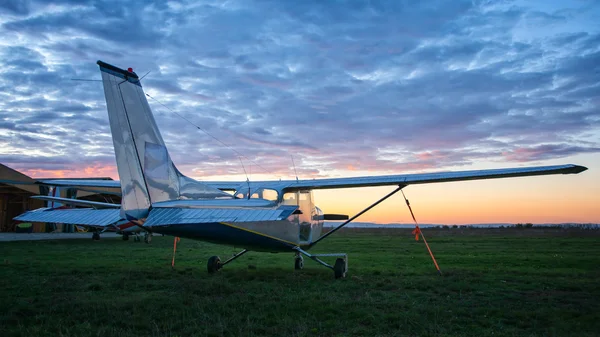
Skydiving and jump operations involve frequent takeoffs and landings, high aircraft utilization, and elevated risk exposure for participants. These operations support tandem skydiving, sport jumping, training programs, and specialty parachute activities. Proper jump operations insurance ensures operators are protected across every phase of flight and ground activity.
Insuring a skydiving aircraft involves more than aircraft type alone. Underwriters evaluate pilot experience, jump operations procedures, aircraft configuration, climb profiles, drop altitudes, parachutist volume, and safety protocols. Coverage must accurately reflect how the aircraft and operation function together.
With Aero Insurance, you can compare all available quotes from every major aviation underwriter using one streamlined application. This approach helps eliminate coverage gaps and ensures your policy is built around your jump operation—not a generic template.
Get a Jump Ops Insurance Quote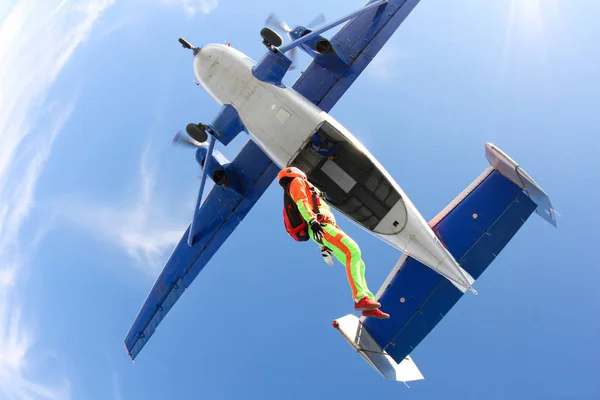
Who Skydiving & Jump Operations Insurance Is For
This coverage is designed for skydiving centers, drop zones, tandem skydiving operators, parachute training schools, and organizations conducting sport or specialty jump operations. Policies can be structured for single-aircraft or multi-aircraft jump fleets.
Typical Skydiving & Jump Operations
Jump aircraft are commonly insured for tandem skydives, student and licensed sport jumping, training and certification programs, demonstration jumps, and specialty parachute operations. Common operations include:
- Tandem skydiving operations
- Student and licensed sport jumping
- Parachute training and certification flights
- Demonstration and exhibition jumps
- High-frequency climb-and-drop operations
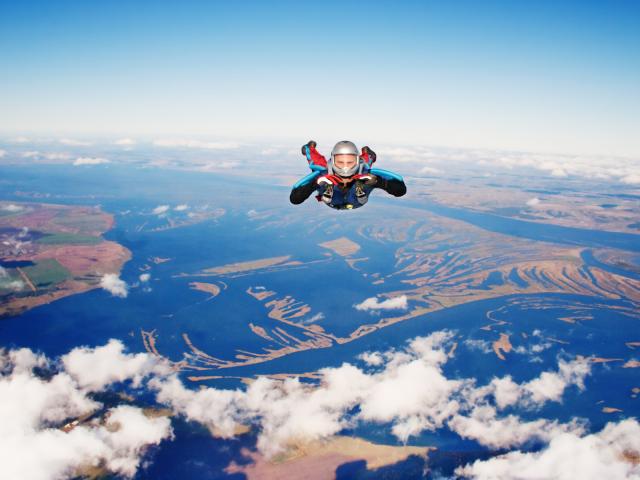
Key Factors That Affect Skydiving Insurance Rates
Aviation underwriters evaluate several core factors when determining eligibility and pricing for jump operations insurance:
- Pilot experience: total flight time, jump operation experience, and recent activity.
- Aircraft characteristics: hull value, configuration, climb performance, and door modifications.
- Parachutist exposure: annual jump volume, tandem operations, and student participation.
- Operational procedures: exit procedures, aircraft loading, and emergency protocols.
- Operating environment: drop zone location, airspace, terrain, and weather conditions.
- Claims history: prior aviation or parachuting-related losses.
Common Coverages for Skydiving & Jump Operations
Most skydiving insurance programs are built using a combination of aviation and operation-specific coverage components:
- Aircraft liability insurance: bodily injury and property damage, including parachutist liability.
- Hull insurance: physical damage coverage for jump aircraft.
- Participant liability: coverage reflecting skydiver and tandem passenger exposure.
- Medical payments: coverage for participant and occupant medical expenses.
- Non-owned aircraft insurance: protection for leased or contract aircraft.
- Equipment coverage: protection for installed avionics and jump-related equipment.
Pilot Qualifications and Training Considerations
Pilot experience, jump-specific training, and standardized procedures play a major role in underwriting decisions. Insurers typically favor operators who maintain documented jump operation procedures, recurrent pilot training, and coordination with drop zone staff.
Managing Costs and Improving Eligibility
Jump operators can often improve eligibility and manage premiums by:
- Maintaining experienced pilots familiar with jump profiles
- Documenting standard operating procedures and safety briefings
- Managing parachutist volume and exit procedures
- Selecting liability limits aligned with participant exposure
Skydiving Aircraft Types
Insurance considerations vary based on aircraft type and configuration. Single-engine, multi-engine, turboprop, and modified jump aircraft each present unique underwriting considerations related to performance and utilization.
Browse Aircraft by Brand or ModelHigh-Volume and Specialized Jump Operations
High-cycle operations, large tandem volumes, demonstration jumps, and specialty parachute activities should always be disclosed during the insurance process. Insurers may require documentation of procedures, training, and safety practices.
Information to Have Ready
Having the following information available helps streamline the quoting process:
- Pilot qualifications, jump experience, and training records
- Aircraft details, configuration, and utilization estimates
- Annual jump volume and types of parachuting activities
- Drop zone procedures and safety documentation
- Prior loss history, if applicable
Get Coverage Built Around Your Operation
Aero Insurance provides one application, access to every major aviation underwriter, fast renewals, and expert claims advocacy. Whether you operate a small drop zone or a high-volume skydiving center, we help keep the insurance process clear and aligned with your operation.
Get My Jump Ops Insurance Quote