Get Answers
Aviation Insurance Frequently Asked Questions
Get straightforward answers about aircraft coverage, premiums, underwriting, pilots, claims, ownership, and specialized aviation operations.
Browse FAQ TopicsBrowse by topic
Find Answers About Aviation Insurance
Select a category to explore common questions from aircraft owners, pilots, and aviation businesses.
Coverage fundamentals
General Aviation Insurance
Start with the essential questions about aviation insurance, who may need it, and how to prepare for coverage.
What is aviation insurance?
Aviation insurance is designed to protect aircraft owners, pilots, operators, and aviation businesses from certain financial losses associated with aircraft ownership and operation. Depending on the policy, coverage may include physical damage to the aircraft, liability for bodily injury or property damage, passenger liability, and medical payments.
The coverage available depends on the aircraft, pilots, intended use, operating territory, and underwriting requirements.
Do I legally need aircraft insurance?
Federal law generally does not require a private aircraft owner to carry aviation insurance. However, lenders, airports, hangar facilities, aircraft leasing companies, flying clubs, and international destinations may require proof of coverage.
Even when insurance is not legally required, an aircraft accident can result in substantial aircraft damage, bodily injury, property damage, medical expenses, and legal defense costs.
Why is aviation insurance different from auto insurance?
Aircraft present specialized risks that standard automobile and commercial insurance policies are not designed to address. Aviation underwriters consider the aircraft’s performance, value, maintenance, repair costs, intended use, storage, and operating territory.
They also evaluate each pilot’s licenses, ratings, total flight time, recent experience, make-and-model time, training, accident history, and claims experience.

Who needs aviation insurance?
Aircraft owners, renters, pilots, flight instructors, flying clubs, charter operators, airports, maintenance facilities, and other aviation businesses may need specialized insurance.
The appropriate policy depends on the person’s or organization’s role, the aircraft involved, and the activities being performed.
What information do I need to get an aircraft insurance quote?
To request a quote, be prepared to provide the aircraft’s year, make, model, registration number, agreed value, equipment, storage location, and intended use. Information about maintenance, modifications, financing, operating territory, and prior insurance may also be required.
Each pilot may need to provide licenses, ratings, total flight time, make-and-model experience, recent activity, recurrent training, accidents, violations, and previous claims.
Complete Aero Insurance’s online aviation insurance quote request to begin the process.
Information That Helps Underwriters Evaluate the Risk
- Aircraft year, make, model, registration number, equipment, and agreed value
- Storage location, intended use, operating territory, and expected annual hours
- Maintenance, modifications, financing, prior coverage, and loss history
- Each pilot’s certificates, ratings, flight time, make-and-model experience, recent activity, training, accidents, violations, and claims
Complete Information Helps Avoid Preventable Delays
Specialized aircraft, unusual operations, low-time pilots, or incomplete records may require additional underwriting review.
How long does it take to get aircraft insurance?
A straightforward aircraft risk may be reviewed and quoted relatively quickly. Complex aircraft, unusual operations, low-time pilots, high aircraft values, or specialized coverage requests may require additional underwriting review.
Providing complete and accurate information can help prevent avoidable delays.
Can I arrange insurance before buying an aircraft?
Prospective owners can often begin the insurance process before completing an aircraft purchase. Preliminary terms may identify estimated costs, pilot restrictions, required training, and other underwriting conditions before the transaction is finalized.
Reviewing insurability before purchasing an aircraft is particularly important when transitioning into a more complex or higher-performance model.

Why should I work with an aviation insurance broker?
An aviation insurance broker can help organize underwriting information, approach appropriate insurance markets, compare quotations, and explain meaningful differences in limits, exclusions, warranties, and endorsements.
A broker can also assist with certificates, lender requirements, policy changes, renewals, and communication during the claims process.
Understanding your policy
Coverage & Policy Options
Learn how common aviation coverages work and which policy details can change the protection available after a loss.
What does aircraft insurance typically cover?

Aircraft insurance may include coverage for physical damage to the aircraft, liability arising from bodily injury or property damage, passenger liability, and medical payments. The specific protections included depend on the policy and the coverage options selected.
Aircraft owners should review policy limits, deductibles, exclusions, pilot requirements, and approved uses to understand how coverage applies.
What is aircraft hull insurance?
Aircraft hull insurance covers certain types of physical damage to the insured aircraft. Coverage may apply while the aircraft is in motion, on the ground, or both, depending on the policy.
The aircraft’s insured value and the policy terms determine the amount available following a covered loss.
What is aircraft liability insurance?
Aircraft liability insurance helps protect the insured when an aircraft operation results in bodily injury or property damage to another person. Coverage may also include legal defense expenses, subject to the terms and limits of the policy.
Liability limits should be selected based on the aircraft, its use, passenger capacity, operating environment, and the owner’s potential financial exposure.
What is the difference between combined single limit and sub-limit coverage?
A combined single limit policy provides one overall liability limit that may be available for covered bodily injury and property damage claims. A policy with passenger sub-limits restricts the amount available for bodily injury to each passenger.
For example, a policy may provide an overall liability limit while limiting the amount payable for each passenger injury. These differences can significantly affect the protection available after an accident.
What is an agreed value aircraft insurance policy?
An agreed value policy establishes the insured value of the aircraft when the policy is issued. If the aircraft experiences a covered total loss, the policy generally pays the agreed value shown in the policy, subject to its terms and conditions.
The insured value should be reviewed regularly to account for changes in the aircraft’s market value, equipment, avionics, modifications, and condition.
What is ground risk hull insurance?
Ground risk hull insurance covers certain physical damage losses that occur while the aircraft is not in flight. Depending on the policy, coverage may apply while the aircraft is parked, stored, being moved, or taxiing.
Ground risk coverage may be appropriate for aircraft that are temporarily not being flown, undergoing restoration, or awaiting maintenance.
Does aircraft insurance cover avionics and equipment?
Installed avionics and equipment are generally considered part of the aircraft’s insured value. Portable equipment, spare parts, tools, and personal property may be subject to separate limits or exclusions.
Owners should notify their insurance broker after significant avionics upgrades or other modifications so the aircraft’s insured value can be reviewed.
Does aircraft insurance cover storm, hail, or wind damage?
Aircraft hull insurance may cover damage caused by hail, wind, lightning, or other weather events when the cause of loss is covered by the policy. Deductibles, exclusions, and storage requirements may affect how coverage applies.
Owners should follow reasonable precautions before severe weather, including securing or relocating the aircraft when it is safe and practical to do so.
Can I add additional insureds or lienholders to my policy?
Lenders, leasing companies, airports, hangar owners, and other parties may request to be listed on an aircraft insurance policy. Depending on the relationship, they may be added as a lienholder, loss payee, or additional insured.
The exact wording and protections provided depend on the endorsement issued by the insurance company.
What shapes your premium
Aircraft Insurance Costs
Aircraft insurance pricing reflects the combined characteristics of the aircraft, pilots, operation, and coverage selected.
How much does aircraft insurance cost?
Aircraft insurance premiums vary widely because every aircraft and pilot present a unique level of risk. Underwriters evaluate numerous factors before determining a premium, making it difficult to estimate costs without reviewing the specific situation.
Working with an aviation insurance broker can help you compare available coverage options and identify a policy that fits your aircraft and operational needs.
What factors affect aircraft insurance premiums?
Insurance companies consider many variables when calculating premiums, including the aircraft’s value, make and model, intended use, storage location, operating territory, and claims history. Pilot qualifications such as certificates, ratings, total flight hours, make-and-model experience, recurrent training, and prior accidents also influence pricing.
Changes to any of these factors may affect premium costs at renewal.
Underwriters Consider the Whole Risk
- Aircraft make, model, age, value, equipment, and repair costs
- Pilot certificates, ratings, total time, recent experience, and time in type
- Training, claims history, intended use, storage, and operating territory
- Coverage limits, deductibles, and policy-specific requirements

Similar Aircraft Can Receive Different Terms
Pricing reflects how all of these factors interact. One favorable characteristic does not automatically offset other underwriting concerns.
Does a pilot’s experience affect insurance rates?
Yes. Pilot experience is one of the most significant underwriting considerations. Insurance companies often review total flight hours, recent flight activity, experience in the aircraft make and model, advanced ratings, recurrent training, and previous claims history.
Pilots with additional training and greater experience may qualify for more favorable underwriting consideration, although each insurer evaluates risk differently.
Will purchasing a more expensive aircraft increase my insurance premium?
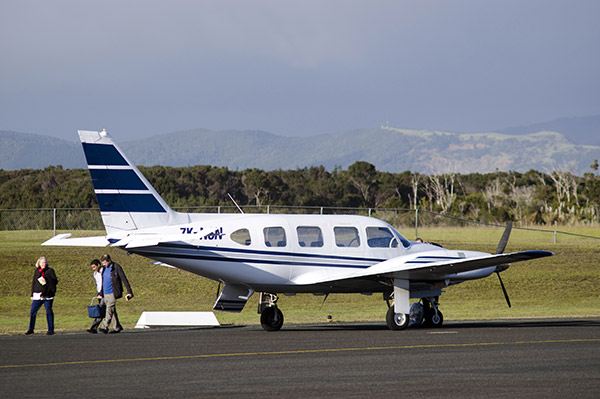
Generally, higher-value aircraft cost more to insure because they require greater hull coverage and may involve more expensive repairs or replacement costs. Complex aircraft may also have higher liability exposures and maintenance expenses that influence underwriting.
The aircraft’s value is only one factor among many that determine the final premium.
Can safety training help lower aircraft insurance costs?
Many insurance companies recognize recurrent training and participation in approved safety programs as positive underwriting factors. Completing simulator training, FAA Wings participation, or manufacturer-approved transition training may improve how an underwriter evaluates a risk.
While training does not guarantee a lower premium, it can demonstrate a commitment to safe aircraft operation.
Can I reduce my aircraft insurance premium by choosing a higher deductible?
In some situations, selecting a higher deductible may reduce the premium because the aircraft owner assumes a greater portion of a covered loss. The availability of deductible options varies by insurer and policy.
Aircraft owners should select a deductible they can comfortably afford if a covered claim occurs.
How often should I review my aircraft’s insured value?
Aircraft values can change over time because of market conditions, equipment upgrades, engine overhauls, or major modifications. Reviewing the insured value at each renewal helps ensure the aircraft remains appropriately insured.
An outdated insured value could result in paying for more coverage than necessary or not carrying sufficient coverage for the aircraft’s current value.
Can my insurance premium change at renewal?
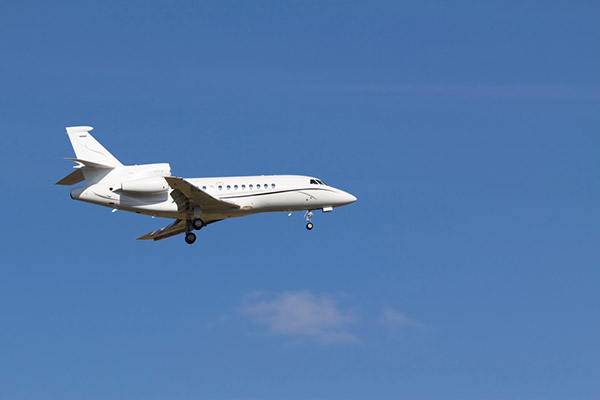
Yes. Premiums may change from one policy period to the next due to changes in aircraft value, pilot qualifications, claims history, underwriting guidelines, market conditions, or changes in how the aircraft is used.
Reviewing your policy with your aviation insurance broker before renewal can help identify any needed updates and ensure your coverage still matches your operation.
How insurers evaluate risk
Pilots & Underwriting
Pilot qualifications, training, experience, and loss history can influence both coverage availability and policy requirements.
How do insurance companies evaluate pilot qualifications?
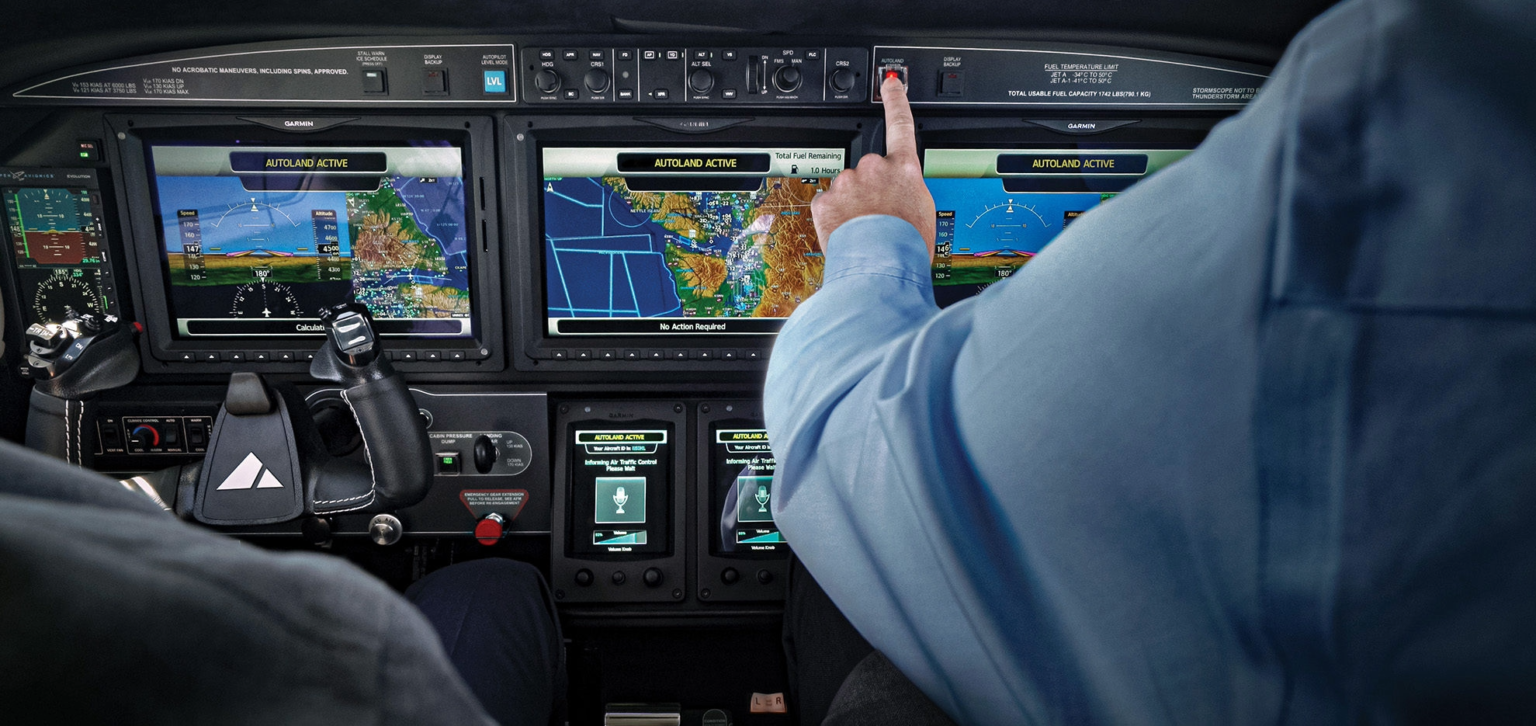
Insurance companies review each pilot’s experience and qualifications as part of the underwriting process. Factors often include certificates, ratings, total flight time, make-and-model experience, recent flight activity, recurrent training, accident history, and previous insurance claims.
These details help underwriters assess the level of risk associated with operating a particular aircraft.
Why does time in make and model matter?
Experience in the specific make and model of aircraft is often an important underwriting consideration. Even experienced pilots may be required to complete transition training before operating an unfamiliar aircraft because different aircraft have unique handling characteristics, systems, and performance capabilities.
Greater make-and-model experience may improve insurability and expand available coverage options.
Can student pilots or low-time pilots obtain aircraft insurance?

Yes. Many insurance companies offer coverage for student and low-time pilots, although underwriting requirements may be more restrictive. Policies may include instructor requirements, solo flight limitations, or mandatory completion of additional training before certain coverages become available.
The available options depend on the aircraft, intended use, and the pilot’s overall qualifications.
Will my policy cover other pilots flying my aircraft?
Many aircraft insurance policies include an open pilot warranty or specifically identify approved pilots who may operate the aircraft. Coverage depends on whether the pilot meets the qualifications outlined in the policy.
Before allowing another pilot to fly your aircraft, review your policy or speak with your aviation insurance broker to confirm that coverage applies.
What is an open pilot warranty?
An open pilot warranty allows pilots who meet specific experience and qualification requirements to operate the insured aircraft without being individually named on the policy. These requirements commonly include minimum total flight hours, make-and-model experience, ratings, and recent flight activity.
Pilots who do not meet the stated requirements may need to be specifically approved by the insurance company before operating the aircraft.
Can I add a new pilot during the policy period?
Yes. Many insurance companies allow policyholders to add pilots after the policy has been issued. The new pilot’s qualifications are typically reviewed before coverage is extended.
Owners should never assume a new pilot is automatically covered without first confirming approval through their insurance broker or carrier.
Will a previous accident or claim affect my ability to get insurance?
Previous accidents, incidents, violations, or insurance claims may influence underwriting decisions. Insurance companies often evaluate the nature of the event, how long ago it occurred, subsequent training, and the pilot’s overall experience.
Having a prior claim does not necessarily prevent a pilot from obtaining coverage, but it may affect available markets, policy terms, or premium.
Why do some insurance companies require additional flight training?
Additional training requirements help ensure pilots have adequate experience operating a particular aircraft. Underwriters may require dual instruction, simulator training, factory-approved transition training, or a specified number of supervised flight hours before certain coverages become effective.
These requirements are intended to reduce risk and promote safer aircraft operations.


Coverage should keep pace
Your Aircraft and Operation Will Not Stay Static
New pilots, training, avionics, locations, missions, and ownership arrangements can change the risk an insurer agreed to cover. Review material changes with Aero Insurance before assuming an existing policy automatically applies.
Discuss a Policy ChangeWhen a loss occurs
Claims & Losses
Knowing what to do after an incident can protect safety, preserve useful documentation, and support a more orderly claims process.
What should I do immediately after an aircraft accident?
Your first priority should always be the safety of everyone involved. Once emergency needs have been addressed and any required notifications to aviation authorities have been made, contact your aviation insurance broker or insurance company as soon as practical to report the incident.
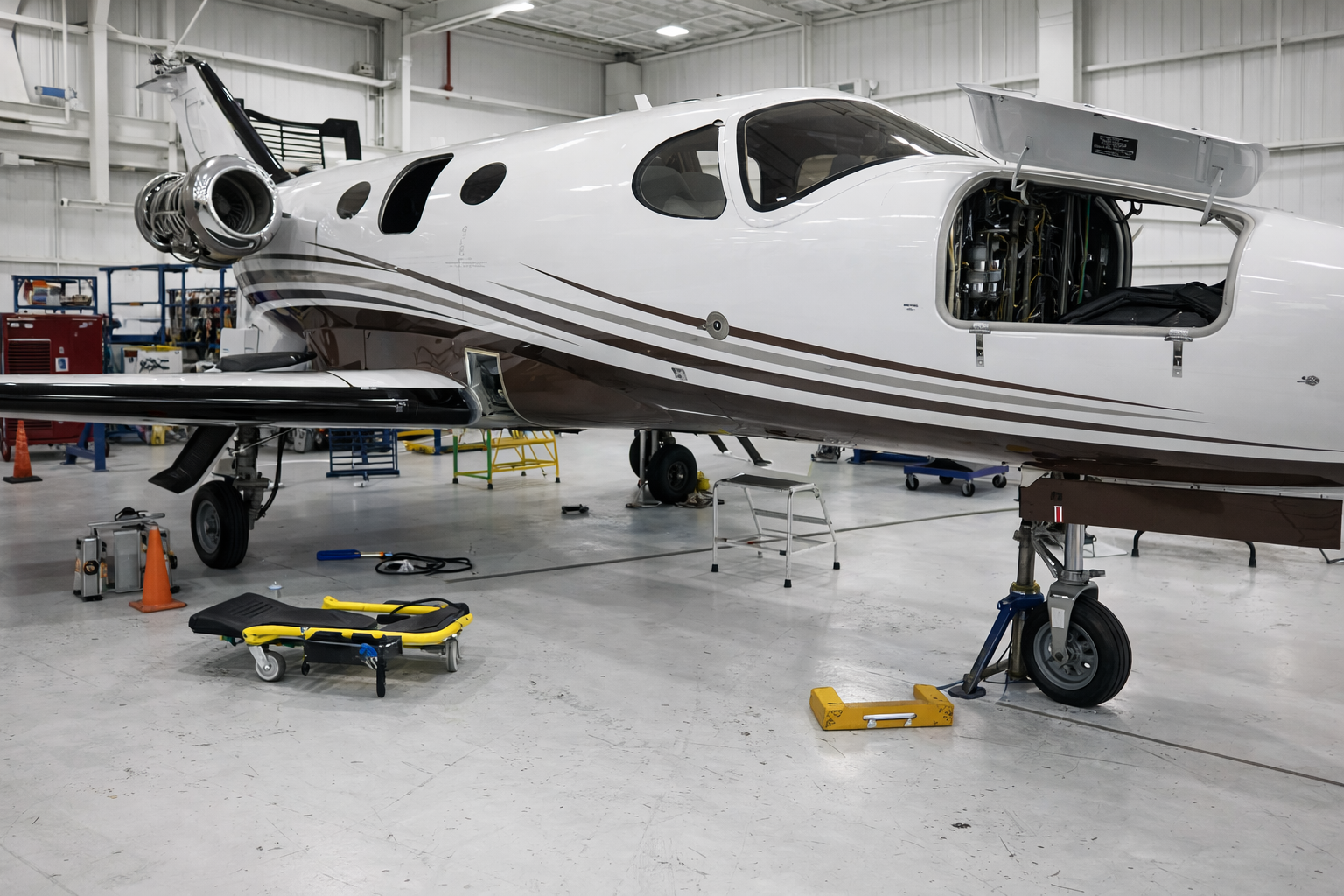
Gather photographs, witness information, and any available documentation, but avoid authorizing repairs or disposing of damaged property until your insurer provides guidance.
Prioritize Safety, Then Preserve the Information Surrounding the Loss
- Address injuries, fire, fuel, and other immediate hazards and contact emergency services when needed.
- Make any notifications required by aviation authorities.
- Report the incident to Aero Insurance as soon as practical.
- Photograph the aircraft and scene when it is safe and lawful to do so.
- Keep reports, witness information, maintenance records, estimates, invoices, and related communications.
Wait for Guidance Before Making Major Changes
Do not authorize significant repairs, dispose of damaged property, or make statements about responsibility before receiving appropriate direction from the insurer and other relevant professionals.
How do I file an aircraft insurance claim?
Most claims begin by notifying your aviation insurance broker or insurance carrier. You will typically be asked to provide information about the aircraft, the pilots involved, the circumstances of the incident, and any available documentation or photographs.
Your insurance company will then assign a claims representative to evaluate the loss and explain the next steps in the claims process.
Will I be able to choose my own repair facility?
In many situations, aircraft owners may recommend or request a preferred FAA-certified repair facility. The insurance company may also have repair requirements or approval procedures depending on the extent of the damage and the terms of the policy.
Discuss repair options with your claims representative before authorizing any work to help avoid unnecessary delays.
What happens if my aircraft is declared a total loss?
If the cost to repair the aircraft exceeds certain underwriting or policy thresholds, the insurance company may determine that the aircraft is a total loss. The settlement amount depends on the policy’s valuation provisions and the circumstances of the claim.
For agreed value policies, covered total losses are generally settled according to the agreed insured value shown in the policy, subject to its terms and conditions.
Will filing a claim increase my insurance premium?
A claim may be one of several factors considered during future underwriting reviews. Insurance companies also evaluate the type of claim, its severity, the pilot’s history, market conditions, and other underwriting considerations when determining renewal terms.
Because every situation is unique, the effect of a claim on future premiums varies between insurers.
Does my policy cover emergency landings?
Coverage for damage resulting from an emergency landing depends on the circumstances of the event and the specific terms of the aircraft insurance policy. If the resulting damage is caused by a covered peril, the policy may provide benefits for the loss.
Review your policy carefully or consult your aviation insurance broker to better understand how emergency situations may be handled.
How long does an aircraft insurance claim take?
Claim timelines vary depending on the complexity of the loss, the availability of replacement parts, repair estimates, accident investigations, and other factors. Straightforward claims may be resolved relatively quickly, while more complex losses can require additional time.
Maintaining communication with your claims representative and providing requested documentation promptly can help keep the process moving efficiently.
What information should I keep after a claim?
Keep copies of photographs, repair estimates, invoices, correspondence, claim numbers, inspection reports, and any documents provided by your insurance company. Maintaining organized records can make future questions or policy renewals easier.
Your aviation insurance broker can also assist with claim documentation and help answer questions throughout the process.
Keeping coverage aligned
Aircraft Ownership & Operations
Changes to an aircraft, its pilots, location, value, or use may require a policy review before the next renewal.
Does my insurance cover personal and business flying?
Many aircraft insurance policies distinguish between personal, business, instructional, rental, and commercial uses. Coverage depends on how the aircraft is described in the policy and the approved uses accepted by the insurance company.
If your intended use changes, notify your aviation insurance broker before operating the aircraft to ensure your policy continues to provide appropriate coverage.
Can I fly my aircraft outside the United States?
Coverage territory varies by policy. Many aircraft insurance policies include operations within the United States and Canada, while flights to Mexico, the Caribbean, or other international destinations may require additional approval or endorsements.
Before flying internationally, review your policy with your aviation insurance broker to confirm where coverage applies.
Is my aircraft covered while it is stored in a hangar?

Aircraft hull coverage generally continues while the aircraft is stored, subject to the terms and conditions of the policy. Covered causes of loss may include events such as fire, theft, vandalism, or certain weather-related damage.
Storage location and hangar conditions may be considered during underwriting and can influence available coverage.
Does my policy cover damage while taxiing?
Many aircraft insurance policies provide hull coverage during taxi operations, although the exact protection depends on the policy and the circumstances of the loss.
Review your policy carefully to understand how coverage applies while the aircraft is parked, taxiing, and in flight.
What happens if I upgrade my aircraft or install new avionics?
Major upgrades, engine overhauls, avionics installations, or other significant modifications may increase your aircraft’s value. Inform your aviation insurance broker whenever these changes occur so your policy can be reviewed and updated if necessary.
Keeping your insured value current helps ensure your aircraft is appropriately protected following a covered loss.
Can I lease or rent my aircraft to other pilots?
Leasing or renting an aircraft may significantly change the level of risk and often requires different underwriting and policy provisions. Standard private aircraft policies may not automatically provide coverage for these activities.
Always discuss planned leasing or rental arrangements with your aviation insurance broker before allowing others to operate your aircraft for compensation.
Do I need to notify my insurance company if I move my aircraft?
Yes. Permanently relocating an aircraft to a different airport, state, or country may affect underwriting because storage conditions, weather exposure, and operating environments can change.
Providing updated location information helps ensure your policy accurately reflects where the aircraft is based.
What should I review before renewing my aircraft insurance?
Before renewal, review your aircraft’s insured value, pilot information, operating uses, storage location, avionics upgrades, completed training, and any other changes that occurred during the policy period.
Updating this information allows your aviation insurance broker to obtain accurate renewal terms and helps ensure your coverage continues to meet your needs.
Update Anything That Has Changed During the Policy Period
- Aircraft value, upgrades, avionics, and modifications
- Named pilots, flight time, ratings, and recurrent training
- Storage location, operating territory, and aircraft use
- Liability limits, deductibles, exclusions, endorsements, and open pilot requirements
- Lender, lease, airport, hangar, or contractual insurance requirements
Begin Before the Expiration Date
An early review leaves time to gather records, address underwriting questions, and compare meaningful differences in available terms.
Coverage for specialized risks
Specialized Aviation Insurance
Renters, instructors, flight schools, charter operators, maintenance facilities, and other aviation businesses may need coverage built around their actual operations.
What is aircraft renter’s insurance?
Aircraft renter’s insurance helps protect pilots who rent or borrow aircraft they do not own. Depending on the policy, coverage may include liability protection, damage to the rented aircraft, and certain legal defense costs.
Many flight schools and flying clubs encourage or require pilots to carry renter’s insurance before operating their aircraft.

Do flight instructors need their own insurance?
Yes. Flight instructors often purchase their own insurance because an aircraft owner’s policy may not fully protect the instructor from liability arising out of flight instruction.
Instructor policies are designed to address the unique risks associated with providing flight training in owned or non-owned aircraft.
What insurance do flight schools need?
Flight schools typically require a combination of coverages, including aircraft hull insurance, liability insurance, hangarkeepers insurance, premises liability, and other specialized protections based on their operations.
The appropriate coverage depends on the size of the school, the aircraft fleet, instructional activities, and additional aviation services provided.

What is hangarkeepers insurance?
Hangarkeepers insurance protects aviation businesses that store, maintain, repair, or otherwise have custody of aircraft owned by others. Coverage may apply if a customer’s aircraft is damaged while under the business’s care, custody, or control.
This coverage is commonly carried by FBOs, maintenance facilities, repair stations, and aircraft storage providers.
Do charter operators need different insurance?
Yes. Commercial charter operations generally require insurance specifically designed for Part 135 or other commercial aviation activities. These policies often include higher liability limits and underwriting requirements than private aircraft policies.
Charter operators should work with an aviation insurance broker familiar with commercial aviation risks to ensure appropriate coverage.
Are helicopters insured differently than airplanes?

Helicopter insurance follows many of the same principles as fixed-wing aircraft insurance but includes underwriting considerations unique to rotorcraft operations. Factors such as aircraft type, mission profile, pilot experience, and operating environment all influence coverage and premium.
Because helicopter operations vary widely, insurance is typically tailored to the specific aircraft and intended use.
Can aviation businesses bundle multiple coverages?
Many aviation businesses carry multiple insurance policies to address the different risks associated with their operations. Depending on the business, this may include aircraft hull and liability insurance, general liability, hangarkeepers coverage, workers’ compensation, and property insurance.
Working with an aviation insurance broker can help ensure these coverages complement one another and reduce potential gaps in protection.

One Aviation Business May Have Several Distinct Exposures
- Aircraft hull and liability
- Airport or premises liability
- Hangarkeepers liability
- Products and completed operations liability
- Workers’ compensation and other business coverage
Placing several coverages within a coordinated insurance program may simplify administration, but eligibility and structure depend on the operation and available markets.
How can an aviation insurance broker help me choose the right coverage?
An experienced aviation insurance broker can evaluate your aircraft, flying activities, business operations, and risk exposures to help identify coverage options that align with your needs. Brokers also compare available insurance markets, explain policy differences, and assist with renewals and claims.
Whether you own a single aircraft or manage a complex aviation business, professional guidance can help you make informed insurance decisions.
Still have questions?
Talk With an Aviation Insurance Specialist
Every aircraft, pilot, and operation presents a different combination of insurance needs. Aero Insurance can help you understand available options and compare aviation insurance programs for your aircraft and mission.
Request an Aircraft Insurance Quote