
Aircraft Maintenance Checklist
A practical guide to routine inspections, maintenance records, and aircraft ownership responsibilities
View the Checklist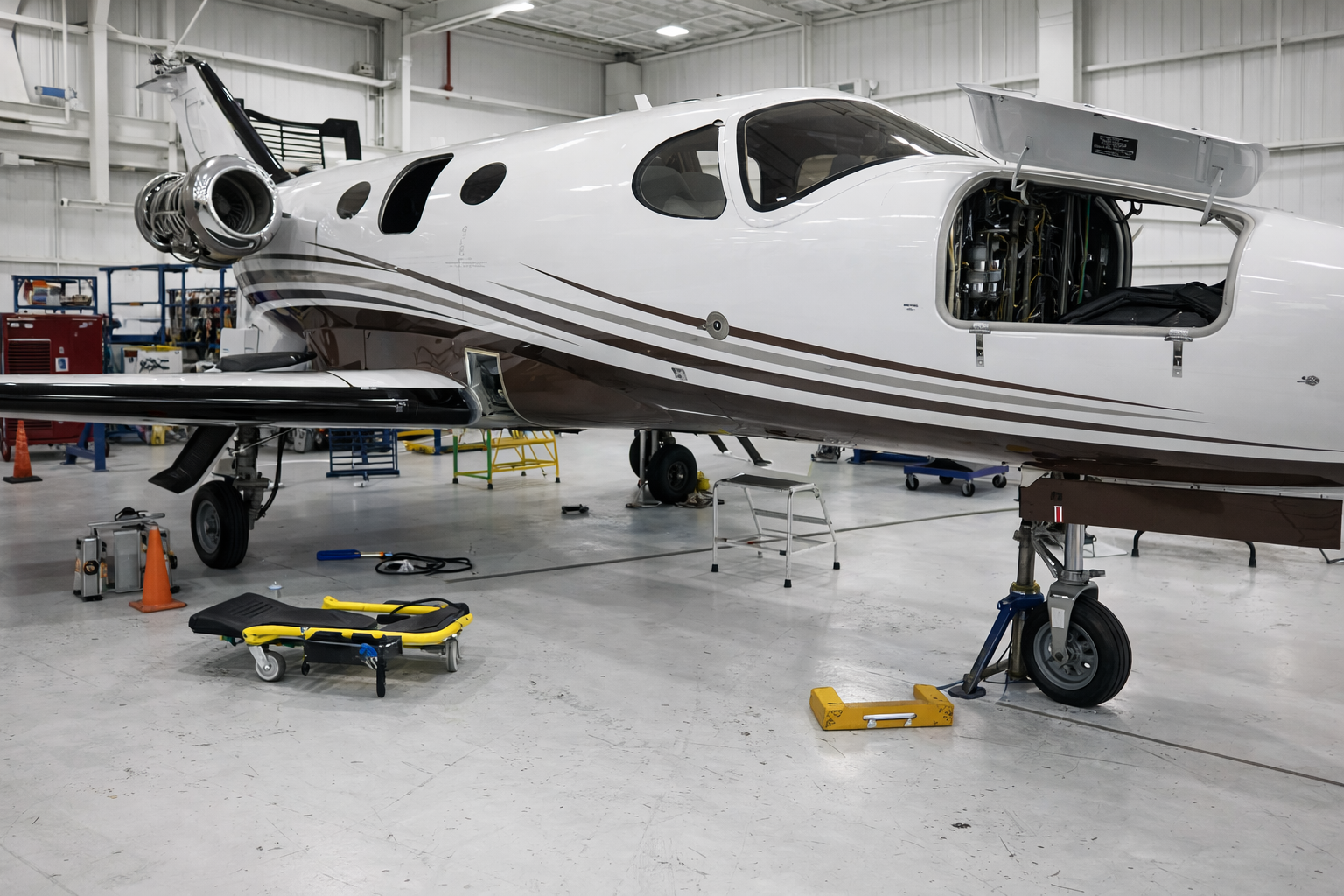
Protecting your aircraft investment
Why Routine Aircraft Maintenance Matters
Routine aircraft maintenance supports safe operation, protects aircraft value, and helps owners identify developing problems before they lead to larger repairs. Although pilots and owners often rely on mechanics and repair facilities to complete inspections and maintenance, the owner or operator remains responsible for keeping the aircraft in an airworthy condition.
A consistent maintenance routine can also support the insurance process. Organized records, timely repairs, and compliance with required inspections help underwriters understand how an aircraft is operated and maintained. If a loss occurs, complete documentation may also help establish the aircraft’s condition and maintenance history.
Discuss My Aircraft CoverageBefore each departure
Preflight Maintenance Awareness Checklist
A thorough preflight inspection gives the pilot an opportunity to recognize visible damage, fluid leaks, wear, contamination, or other conditions that may affect the safety of the flight. The exact inspection process should follow the aircraft’s approved flight manual, pilot’s operating handbook, and manufacturer guidance.
- Review Aircraft Records: Confirm required inspections are current and identify any unresolved maintenance discrepancies.
- Inspect the Exterior: Look for dents, cracks, loose fasteners, missing hardware, fluid leaks, and signs of impact damage.
- Check Control Surfaces: Verify that hinges, attachment points, and control surfaces appear secure and unobstructed.
- Examine Tires and Brakes: Look for improper inflation, excessive wear, exposed cord, leaks, or visible brake damage.
- Inspect Fuel and Oil: Confirm appropriate quantities and check for contamination, leakage, or abnormal consumption.
- Check Openings and Sensors: Make sure pitot tubes, static ports, vents, and air inlets are clean and unobstructed.
- Inspect Lights and Antennas: Look for cracked lenses, loose components, or visible damage.
- Remove Covers and Restraints: Verify that all control locks, plugs, tie-downs, and protective covers have been removed.


Four maintenance priorities
Build a Consistent Aircraft Maintenance Routine
A strong maintenance process combines regular observation, scheduled inspections, prompt repairs, and complete documentation.
Inspect
Look for signs of wear, damage, leaks, corrosion, contamination, and other changes before and after operation.
Schedule
Track calendar, flight-hour, cycle, and component-based inspection or replacement requirements.
Document
Maintain organized records for inspections, repairs, alterations, component times, and regulatory compliance.
Respond
Address discrepancies promptly with an appropriately certificated mechanic or approved repair facility.

Calendar and operating-hour requirements
Track Required Aircraft Inspections
Aircraft inspection requirements depend on the aircraft, its certification, how it is operated, and the maintenance program being followed. Owners should work with a qualified maintenance provider to create a schedule based on applicable regulations, manufacturer instructions, Airworthiness Directives, and aircraft-specific operating limitations.
- Annual Inspection: Confirm when the aircraft’s next annual inspection is due and retain the associated maintenance entry.
- 100-Hour Inspection: Determine whether the aircraft’s type of operation requires an inspection based on operating time.
- Progressive or Approved Programs: Track each inspection phase and verify that all required items are completed within the applicable interval.
- Manufacturer-Specified Tasks: Review inspections and service items based on calendar time, flight hours, landings, or operating cycles.
- Special Inspections: Arrange an appropriate inspection after events such as a hard landing, propeller strike, lightning strike, overspeed, or other abnormal occurrence.
- Altimeter, Transponder & ELT Checks: Track 24-calendar-month static system/altimeter (§ 91.411) and transponder (§ 91.413) checks, alongside 12-calendar-month ELT inspections (§ 91.207).
Ongoing aircraft care
Routine Maintenance Items to Monitor
Maintenance needs vary considerably among piston aircraft, turboprops, helicopters, and jets. The following items provide general categories for owners to monitor, but they should not replace the inspection procedures or intervals established for a specific aircraft.
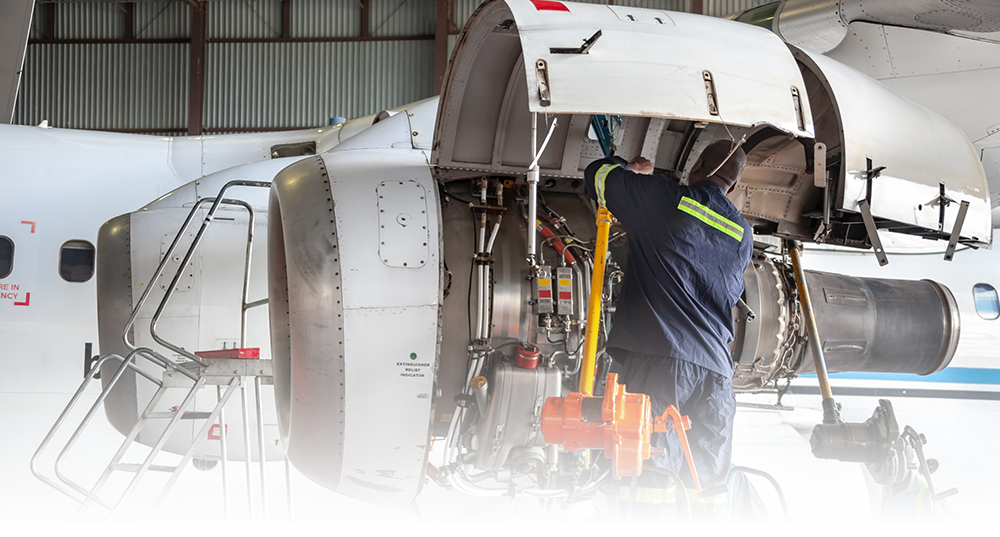
- Engine and Propulsion Systems: Monitor oil use, filters, hoses, belts, mounts, ignition systems, fuel systems, and signs of abnormal engine operation.
- Propellers and Rotors: Look for nicks, erosion, cracks, fluid leaks, surface damage, and changes in vibration.
- Landing Gear: Inspect tires, brakes, struts, steering components, retraction systems, and exposed hydraulic lines.
- Electrical Systems: Monitor batteries, alternators, starters, wiring, circuit protection, lighting, and charging performance.
- Avionics and Instruments: Identify display faults, database concerns, communication problems, and instrument discrepancies.
- Cabin and Safety Equipment: Check restraints, seats, doors, emergency equipment, fire extinguishers, and required placards.
- Environmental Systems: Monitor heating, ventilation, pressurization, oxygen, and air-conditioning systems when equipped.


Airframe protection
Check for Corrosion and Environmental Damage
Moisture, salt, humidity, pollutants, and long periods of inactivity can contribute to aircraft corrosion. Areas hidden beneath panels, flooring, insulation, seals, or interior components may require special attention during scheduled inspections.
Owners should also consider how the aircraft is stored and how frequently it is flown. Hangar conditions, coastal operation, exposure to precipitation, and inadequate cleaning or drainage can all influence the need for corrosion monitoring and preventive care.
- Inspect Common Collection Areas: Monitor seams, drains, wheel wells, battery compartments, control surfaces, and lower fuselage areas.
- Keep Surfaces Clean: Remove contaminants using products and procedures approved for the aircraft.
- Verify Drainage: Make sure drains and moisture pathways remain clear.
- Repair Coating Damage: Address chipped paint, damaged sealant, and exposed metal before deterioration spreads.
- Document Findings: Record corrosion treatment and repairs in the appropriate aircraft maintenance records.
When the aircraft is not flying
Aircraft Storage and Inactivity Checklist
An aircraft that is flown infrequently may still require regular attention. Extended inactivity can affect batteries, tires, fuel systems, engines, seals, and other components even when the aircraft remains protected inside a hangar.
- Follow Preservation Guidance: Use the manufacturer’s recommended procedures when storing an aircraft or engine for an extended period.
- Protect Openings: Use appropriate covers and plugs to help prevent moisture, debris, insects, and animals from entering.
- Monitor the Battery: Follow approved charging, removal, inspection, and replacement procedures.
- Inspect Fuel Systems: Check for leakage, contamination, water, and fuel deterioration as applicable.
- Check Tires and Struts: Watch for pressure loss, flat spotting, leakage, or deterioration.
- Look for Pest Damage: Inspect wiring, upholstery, insulation, air inlets, and enclosed areas before returning the aircraft to service.
- Complete a Return-to-Service Review: Consult a qualified mechanic before operating an aircraft that has been inactive or preserved.


Preserving the aircraft’s history
Maintain Complete Aircraft Records
Maintenance records provide a history of the inspections, repairs, alterations, and component work completed throughout an aircraft’s service life. Complete records can support continued airworthiness, aircraft valuation, purchase and sale reviews, regulatory compliance, and insurance underwriting.
Owners should review records regularly rather than waiting until an annual inspection, insurance renewal, or aircraft sale. Missing or unclear entries may require additional research, inspections, or documentation before the aircraft’s status can be confirmed.
- Inspection Entries: Retain documentation for annual, 100-hour, progressive, and other required inspections.
- Maintenance and Repair Entries: Verify that completed work is described and properly approved for return to service.
- Airworthiness Directive Status: Track applicable ADs, compliance methods, completion dates, and recurring requirements.
- Major Repairs and Alterations: Preserve supporting forms, approvals, drawings, and supplemental documentation.
- Component Times: Track hours, cycles, life limits, overhauls, inspections, and replacements where applicable.
- Weight and Balance: Keep current weight-and-balance information following equipment changes or alterations.
- Digital Backups: Maintain secure copies of important records while preserving required original documentation.
Regulatory compliance
Review Airworthiness Directives and Service Information
Airworthiness Directives are legally enforceable requirements issued to address unsafe conditions affecting aircraft, engines, propellers, or installed equipment. Aircraft owners and operators are responsible for determining which ADs apply and ensuring that required actions are completed within the stated compliance period.
Manufacturers may also publish service bulletins, service letters, maintenance alerts, and other technical information. These communications do not all carry the same regulatory status, but they can help owners and mechanics identify known issues, recommended inspections, and product improvements.
- Search Every Applicable Product: Review the aircraft, engine, propeller, and installed appliances or equipment.
- Confirm Applicability: Check model, serial number, part number, configuration, and modification details.
- Track Recurring Actions: Add repeating inspections or replacements to the maintenance schedule.
- Record Compliance: Keep clear documentation showing the method and date of compliance.
- Review New Information: Ask the maintenance provider how newly issued directives or service information affect the aircraft.
Maintenance and risk management
How Maintenance Can Affect Aircraft Insurance
Aircraft maintenance history is one part of the overall risk picture an aviation underwriter may consider. Depending on the aircraft and operation, an application may request information about inspection status, total time, component times, recent upgrades, storage, damage history, and who performs the aircraft’s maintenance.
Maintenance issues may also become relevant during a claim. Insurers may review logbooks, inspection records, repair documentation, or the condition of affected components when evaluating what occurred. Complete records help provide a clearer account of the aircraft’s condition before the loss.
- Keep Inspections Current: Do not knowingly operate the aircraft after a required inspection has expired.
- Report Material Changes: Discuss significant modifications, changes in use, storage, or major repairs with the insurance broker.
- Use Qualified Providers: Confirm maintenance and return-to-service approvals are completed by appropriately authorized individuals or facilities.
- Preserve Claim Evidence: After a loss, avoid authorizing repairs or disposing of damaged parts until the insurer provides instructions.
- Answer Applications Accurately: Provide complete and current information about the aircraft’s condition, equipment, and maintenance status.
Before the aircraft goes to the shop
Preparing for a Maintenance Appointment
Clear communication between the owner and maintenance provider can make an inspection more efficient. Before delivering the aircraft, organize the records and prepare a written list of discrepancies, unusual indications, fluid consumption, warning messages, noises, vibrations, and other concerns observed during operation.
- Confirm the Scope: Identify the inspection, maintenance, upgrade, or troubleshooting work being requested.
- Provide Complete Records: Include relevant logbooks, equipment lists, prior work orders, and compliance reports.
- Describe Discrepancies Clearly: Explain when the issue occurs and any conditions that make it better or worse.
- Request Authorization Procedures: Establish when the shop should contact you before performing additional work.
- Review Parts Decisions: Discuss replacement-part eligibility, documentation, warranties, and availability.
- Obtain Final Documentation: Collect invoices, work orders, maintenance entries, forms, and updated equipment or weight-and-balance records.
- Complete a Post-Maintenance Review: Inspect the aircraft, review the work performed, and address any remaining discrepancies before operation.

Quick reference
Aircraft Maintenance Checklist by Frequency
- Before Each Flight: Complete the aircraft-specific preflight inspection and review known discrepancies.
- After Each Flight: Note abnormal indications, damage, fluid use, hard landings, bird strikes, or other concerns.
- Monthly: Review upcoming inspections, recurring AD requirements, database needs, and calendar-limited equipment.
- Seasonally: Check environmental exposure, storage conditions, battery health, tire pressure, heating, cooling, and deicing systems as applicable.
- At Scheduled Intervals: Complete manufacturer, regulatory, and maintenance-program requirements based on time, cycles, landings, or calendar dates.
- Annually: Review the complete maintenance history, equipment list, inspection status, recurring requirements, and insurance information.
- After an Abnormal Event: Consult a qualified mechanic before further operation when the aircraft may have sustained damage or excessive stress.
Important reminder
Use This Checklist as a General Resource
This checklist provides general educational information and is not a maintenance manual, regulatory checklist, determination of airworthiness, or substitute for advice from a certificated aviation maintenance professional. Inspection requirements and authorized maintenance activities vary according to the aircraft, equipment, certification, operation, and applicable regulations.
Always follow current FAA requirements, the aircraft’s approved manuals and operating limitations, manufacturer instructions, Airworthiness Directives, and the guidance of an appropriately qualified mechanic or repair facility.
Protect your aircraft
Build the Right Aircraft Insurance Program
Responsible aircraft ownership includes both consistent maintenance and insurance designed around the aircraft’s actual use. Aero Insurance helps owners and operators compare aviation insurance options through one streamlined submission.
Whether you operate a piston aircraft, turboprop, helicopter, or private jet, our team can help you evaluate coverage based on your aircraft, pilot experience, operations, and risk-management needs.
Complete the quote request form below to begin comparing coverage options from leading aviation insurance carriers. Once we receive your information, an aviation insurance specialist will review your submission, discuss your coverage goals, and help you find protection that fits both your aircraft and your operation.