Aircraft Insurance Quote Checklist
A practical guide to the aircraft, pilot, ownership, and coverage information needed to request a quote
View the Checklist
Before you begin
Prepare for an Aircraft Insurance Quote
An aircraft insurance application gives underwriters a detailed picture of the aircraft, the people who will operate it, how it will be used, and the coverage being requested. Preparing this information in advance can reduce follow-up questions and help the quoting process move more efficiently.
You do not need to know every coverage limit or underwriting requirement before contacting Aero Insurance. This checklist is designed to help you gather the information that is commonly requested so an aviation insurance specialist can help identify any additional details needed for your aircraft and operation.
Start My Aircraft Insurance QuoteIdentify the aircraft
Aircraft Information Checklist
Underwriters use the aircraft’s identity, value, equipment, and location to evaluate the type of risk being presented. Provide the most current information available, especially when the aircraft is being purchased, modified, or moved to a new base.
- Aircraft Make and Model: Include the complete manufacturer and model designation.
- Year Manufactured: Provide the model year or year of manufacture.
- Registration Number: Include the aircraft’s N-number or other registration identifier.
- Serial Number: Provide the airframe serial number when available.
- Aircraft Value: Identify the requested insured or agreed value of the aircraft.
- Engine Information: Note the engine type and number of engines.
- Primary Airport: Provide the airport, city, and state where the aircraft is normally based.
- Purchase Information: Include the expected closing date and purchase price for a newly acquired aircraft.
- Modifications and Upgrades: List major avionics, engine, airframe, interior, or performance upgrades.
Four parts of the submission
Information Aviation Underwriters Typically Review
A complete quote request helps an underwriter understand the aircraft, pilots, operation, and insurance history together.
Aircraft
Make, model, year, value, equipment, maintenance status, and base location.
Pilots
Certificates, ratings, flight time, training, experience, and prior incidents.
Operations
Aircraft use, annual hours, passenger exposure, destinations, and operating territory.
Insurance History
Current coverage, prior claims, losses, cancellations, non-renewals, and requested limits.

Who owns and controls the aircraft
Ownership and Financing Information
The insurance policy should accurately reflect the individual or organization that owns the aircraft and any other party with a financial or operational interest. Ownership through an LLC, corporation, partnership, or trust may require additional details about the entity and its relationship to the aircraft.
- Registered Owner: Provide the name shown on the aircraft registration.
- Named Insured: Identify the person or entity that should appear as the primary insured.
- Ownership Entity: Include the full legal name of any LLC, corporation, partnership, or trust.
- Additional Named Insureds: List related individuals or entities that may require insured status.
- Lienholder: Provide the lender or financing company and any required loss-payee language.
- Aircraft Management: Identify a management company or professional operator when applicable.
- Lease Arrangements: Describe dry leases, interchange agreements, or other aircraft-use agreements.
Qualifications for every pilot
Pilot Information Checklist
Pilot qualifications are a central part of aircraft insurance underwriting. Prepare information for every person who may act as pilot in command, second in command, instructor, contract pilot, or regular operator of the aircraft.
- Full Name and Date of Birth: Provide identifying information for each pilot.
- Certificates and Ratings: List private, commercial, ATP, instrument, multi-engine, rotorcraft, and type ratings as applicable.
- Total Flight Time: Include total logged hours across all aircraft.
- Make-and-Model Time: Provide hours in the exact aircraft make and model being insured.
- Similar-Aircraft Time: Note experience in aircraft with comparable performance, systems, or complexity.
- Recent Flight Time: Include hours flown during the previous 12 months.
- Specialized Experience: Provide turbine, multi-engine, retractable-gear, tailwheel, seaplane, or helicopter time when relevant.
- Training: Identify initial, transition, simulator, recurrent, or manufacturer-approved training completed or planned.
- Medical Certificate: Provide the class and expiration date when applicable.
- Accidents and Violations: Disclose prior accidents, incidents, claims, certificate actions, or regulatory violations.

How and where the aircraft will fly
Aircraft Use and Operations
Aircraft used only for personal travel may present a different risk profile than aircraft used for business transportation, instruction, rental, charter, or specialized commercial activity. Describe the intended operation as accurately as possible.
- Primary Use: Identify personal, pleasure and business, corporate, commercial, instructional, rental, or charter use.
- Estimated Annual Hours: Provide the expected number of flight hours during the policy term.
- Typical Missions: Describe common trip lengths, destinations, and passenger loads.
- Operating Territory: Identify the countries or regions in which the aircraft will operate.
- International Flights: Note planned travel outside the United States or standard policy territory.
- Passenger Exposure: Estimate the typical and maximum number of passengers carried.
- Commercial Activities: Explain any compensation, reimbursement, lease, charter, or revenue-producing operation.
- Other Pilots: Identify whether contract pilots, instructors, students, renters, or unnamed pilots may operate the aircraft.
Protecting and maintaining the aircraft
Storage, Maintenance, and Aircraft Condition
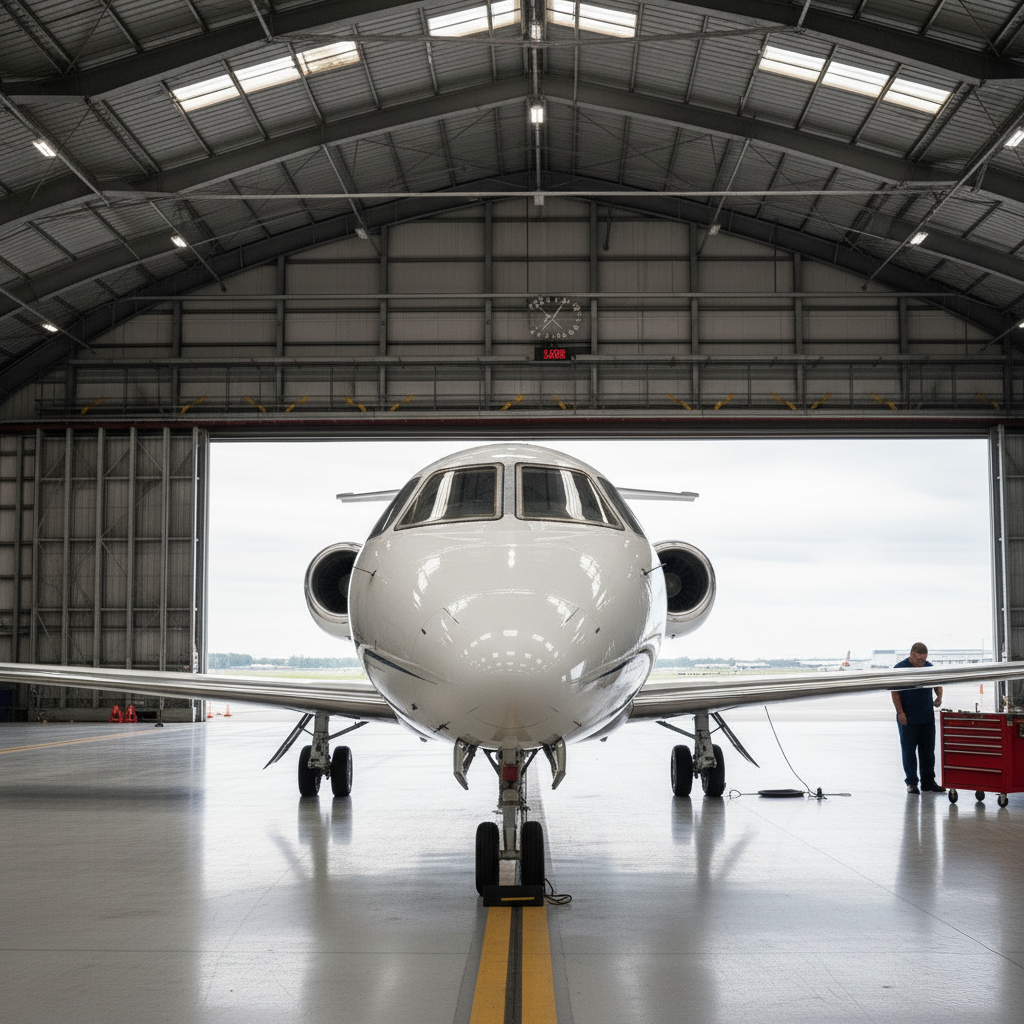
Underwriters may request information about where the aircraft is stored, how it is maintained, and whether it has sustained prior damage. These details help establish the aircraft’s current condition and the risk-management practices surrounding its operation.
- Storage Method: Identify whether the aircraft is hangared, sheltered, or tied down outdoors.
- Hangar Location: Provide the airport and type of storage facility.
- Inspection Status: Confirm the date and status of the most recent annual, phase, progressive, or other required inspection.
- Maintenance Provider: Identify the mechanic, service center, or repair facility that maintains the aircraft.
- Engine and Component Times: Provide total time, time since overhaul, cycles, or program status when requested.
- Maintenance Programs: Note participation in engine, airframe, avionics, or maintenance service programs.
- Damage History: Disclose prior accidents, incidents, major repairs, or substantial damage.
- Aircraft Condition: Describe known mechanical issues, deferred maintenance, corrosion, or unresolved discrepancies.
Define the protection you need
Coverage and Policy Preferences
You do not need to select every limit before requesting a quote. Aero Insurance can help you compare available options, but known requirements from a lender, airport, hangar, management company, contract, or business partner should be included with the submission.
- Hull Value: Identify the requested insured value of the aircraft.
- Liability Limit: Note the desired combined single limit or other liability structure.
- Passenger Liability: Identify any requested per-passenger limit or sublimit.
- Medical Payments: Note whether medical payments coverage is requested.
- Ground and In-Flight Coverage: Identify whether full-flight, ground-only, or not-in-motion coverage is needed.
- War Risk: Discuss war, terrorism, confiscation, or related coverage when applicable.
- Deductible Preferences: Provide any known deductible requirements or preferences.
- Additional Insureds: List parties that may need additional-insured or waiver-of-subrogation status.
- Effective Date: Provide the date coverage should begin.
Prior policies and claims
Current Insurance and Loss History
Current policy information helps establish the aircraft’s existing coverage and renewal timing. Underwriters may also request several years of claims or loss information for the aircraft, owner, and pilots.
- Current Insurance Company: Identify the carrier providing the present policy.
- Policy Expiration Date: Provide the date the current policy ends.
- Current Limits: Include hull, liability, passenger, and other important limits.
- Current Deductibles: Note deductibles that apply to the aircraft.
- Claims and Losses: Provide dates, descriptions, and amounts for prior aircraft or aviation claims.
- Open Claims: Identify any unresolved or pending aviation insurance claim.
- Cancellations or Non-Renewals: Disclose prior insurer cancellations, non-renewals, or coverage restrictions.
- Declined Applications: Note whether another insurer has recently declined to quote or bind coverage.


Records that may support the application
Supporting Documents for Your Quote
Not every aircraft or applicant will need every document listed below. More complex aircraft, commercial operations, newly formed ownership entities, or pilots transitioning into a new aircraft may require additional documentation.
- Current Policy Declarations: Provide the declarations page from the existing aviation policy.
- Pilot History Forms: Complete pilot applications or history forms for each regular pilot.
- Pilot Resumes: Include detailed resumes for professional, contract, turbine, or jet pilots when requested.
- Training Certificates: Provide recent simulator, recurrent, transition, or manufacturer training records.
- Purchase Agreement: Include the agreement or closing information for a newly acquired aircraft.
- Aircraft Appraisal: Provide an appraisal when the requested hull value requires additional support.
- Loss Runs: Request formal loss history from the current or prior insurance carrier when needed.
- Lease or Management Agreements: Include documents that describe operational responsibility or aircraft use.
- Maintenance Information: Provide inspection status, program reports, or logbook information when requested.
Quick reference
Aircraft Insurance Quote Readiness Checklist
- Aircraft Identified: Make, model, year, registration, serial number, and value are available.
- Ownership Confirmed: The registered owner, named insured, lender, and related entities are identified.
- Pilot Information Collected: Certificates, ratings, total time, make-and-model time, recent experience, and training are available.
- Aircraft Use Described: Primary use, annual hours, passengers, destinations, and operating territory are defined.
- Storage and Maintenance Reviewed: Base location, storage type, inspection status, maintenance provider, and damage history are known.
- Coverage Goals Identified: Hull value, liability preferences, contractual requirements, and desired effective date are available.
- Insurance History Prepared: Current policy information, claims, losses, cancellations, and non-renewals are disclosed.
- Documents Gathered: Declarations, pilot forms, training records, purchase documents, or loss runs are ready when requested.

The next steps
What Happens After You Submit
After receiving your information, an Aero Insurance specialist can review the submission for missing details, discuss your coverage goals, and determine which aviation insurance markets may be appropriate for the aircraft and operation.
The insurer may request clarification, additional pilot information, training requirements, maintenance documentation, an aircraft appraisal, or other supporting material before offering terms. Providing complete and accurate information from the beginning can help reduce delays during this process.
Connect With an Aviation Insurance SpecialistImportant reminder
Use This Checklist as a General Resource
This checklist provides general educational information about details commonly requested during the aircraft insurance quoting process. Requirements vary according to the aircraft, pilots, ownership structure, operations, requested coverage, insurer, and current aviation insurance market conditions.
An application may require information that is not included here. Answer all insurance application questions completely and accurately, and notify your aviation insurance representative if material information changes before or during the policy term.
Ready to get started?
Request an Aircraft Insurance Quote
Aero Insurance helps aircraft owners and operators compare aviation insurance options through one streamlined submission. Our team can help identify the information needed for your aircraft, pilots, ownership structure, and intended operation.
Complete the quote request form below to begin the process. Once we receive your information, an aviation insurance specialist can review your submission, discuss your coverage goals, and help you evaluate available options.