Air Ambulance Insurance
Specialized coverage for medical transport aircraft—built around urgent missions and complex operations

Air ambulance operations play a critical role in emergency medical care, supporting time-sensitive patient transport, interfacility transfers, disaster response, and medical evacuation. These missions often involve challenging environments, night operations, and specialized onboard equipment. Proper air ambulance insurance ensures operators are protected throughout every phase of flight.
Insuring an air ambulance aircraft involves more than the aircraft itself. Underwriters evaluate pilot qualifications, medical crew training, mission profiles, onboard equipment, operating regions, and safety procedures. Coverage must reflect real-world operations, including IFR flights, remote landings, and urgent dispatch.
With Aero Insurance, you can compare all available quotes from every major aviation underwriter using one streamlined application. This approach helps eliminate coverage gaps and ensures your policy is built around your mission—not a generic template.
Get an Air Ambulance Quote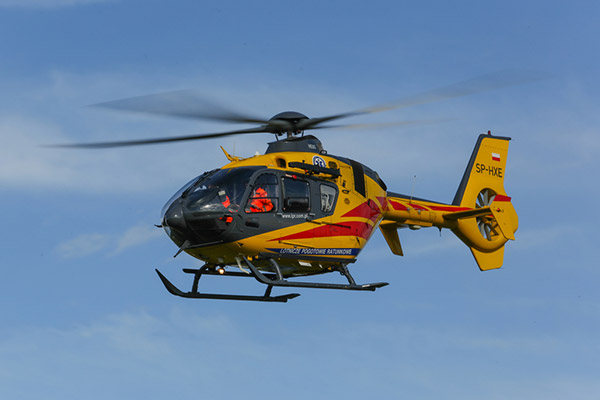
Who Air Ambulance Insurance Is For
This coverage is designed for hospital-based flight programs, independent air medical operators, charter providers conducting medevac flights, government or municipal emergency services, and international medical evacuation organizations. Policies can be tailored for fixed-wing, rotor-wing, or mixed fleets.
Typical Air Ambulance Operations
Air ambulance aircraft are commonly insured for emergency response, interfacility patient transport, neonatal and pediatric missions, organ transport, disaster relief, and domestic or international medical evacuation. Common operations include:
- Emergency scene response and trauma transport
- Interfacility and specialty patient transfers
- Neonatal, pediatric, and critical care transport
- Organ transport and transplant support flights
- Disaster response and medical evacuation
Key Factors That Affect Air Ambulance Insurance Rates
Aviation underwriters evaluate several core factors when determining eligibility and pricing for air ambulance insurance:
- Pilot experience: total flight time, recent experience, time in type, and IFR or night operations.
- Medical crew training: certifications, protocols, and operational readiness.
- Aircraft characteristics: hull value, configuration, performance, and safety enhancements.
- Avionics and equipment: IFR capability, terrain awareness, and mission equipment.
- Operating environment: mission locations, terrain, weather, and night exposure.
- Claims history: prior aviation or operational losses.
Common Coverages for Air Ambulance Operations
Most air ambulance insurance policies are built using a combination of aviation and mission-specific coverage:
- Aircraft liability insurance: bodily injury and property damage, including passenger liability.
- Hull insurance: physical damage protection for the aircraft.
- Medical payments: coverage for medical expenses for occupants and crew.
- Medical professional liability: protection related to in-flight patient care, where applicable.
- Non-owned aircraft insurance: coverage for leased or contract aircraft.
- Equipment coverage: protection for installed avionics and medical equipment.
Pilot Qualifications and Training Considerations
Pilot experience, crew training, and operational discipline play a major role in underwriting decisions. Insurers typically favor operators who maintain structured training programs, document recurrent training, and follow formal safety procedures.
Managing Costs and Improving Eligibility
Operators can often improve eligibility and control premiums by:
- Maintaining strong safety records and training documentation
- Implementing formal safety management procedures
- Equipping aircraft appropriately for mission profiles
- Selecting liability limits aligned with operational exposure
Air Ambulance Aircraft Types
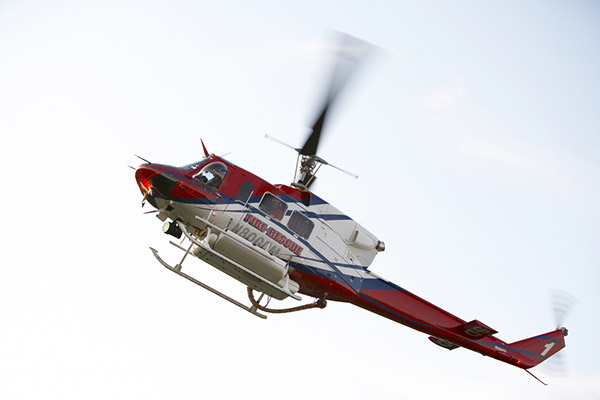
Insurance considerations vary between fixed-wing and rotor-wing air ambulance aircraft. Performance, mission range, configuration, and operating environment all influence policy structure.
Browse Aircraft by Brand or ModelSpecialized and Night Operations
Night operations, IFR missions, remote landings, and cross-border medical evacuation should always be disclosed. Insurers may require documentation of training and operating procedures to ensure coverage aligns with actual use.
Information to Have Ready
Having the following information available helps streamline the quoting process:
- Pilot and medical crew qualifications and training summaries
- Aircraft details, configuration, and equipment lists
- Primary operating base and mission profiles
- Prior loss history, if applicable
Get Coverage Built Around Your Mission
Aero Insurance provides one application, access to every major aviation underwriter, fast renewals, and expert claims advocacy. Whether you operate a single aircraft or a multi-aircraft medical fleet, we help keep the process clear and efficient.
Get My Air Ambulance Quote