Charter Operator Insurance
Comprehensive coverage for commercial charter operations—built around passenger exposure and real-world flying
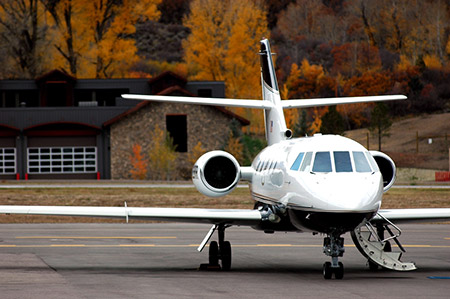
Charter operators provide flexible, on-demand air transportation for passengers, cargo, and specialized missions. These operations range from single-aircraft businesses to multi-aircraft fleets operating under FAA Part 135 or similar regulations. Proper charter insurance ensures operators are protected across every phase of commercial flight.
Insuring a charter aircraft involves more than aircraft type alone. Underwriters evaluate pilot qualifications, operating authority, mission profiles, passenger exposure, aircraft utilization, and regulatory compliance. Coverage must accurately reflect how the aircraft is used in day-to-day charter operations.
With Aero Insurance, you can compare all available quotes from every major aviation underwriter using one streamlined application. This approach helps eliminate coverage gaps and ensures your policy is built around your operation—not a generic template.
Get a Charter Insurance Quote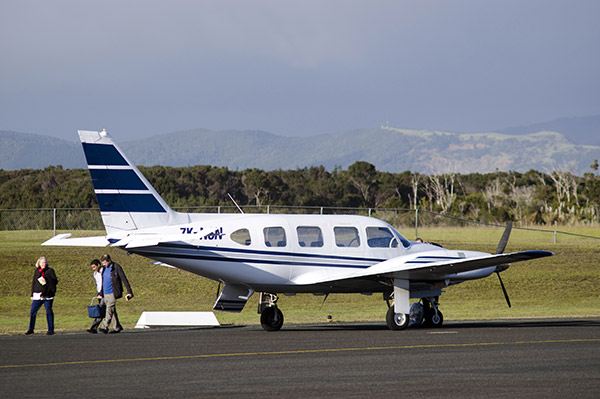
Who Charter Operator Insurance Is For
This coverage is designed for on-demand charter operators, air taxi services, fractional and managed aircraft operators, and companies conducting commercial passenger or cargo flights. Policies can be structured for single-aircraft operators or multi-aircraft fleets.
Typical Charter Operations
Charter aircraft are commonly insured for on-demand passenger transport, business travel, cargo and freight operations, contract flying, and specialized missions. Common operations include:
- On-demand passenger charter flights
- Business and executive travel
- Cargo and freight transport
- Contract and ad-hoc charter operations
- Domestic and international charter flights
Key Factors That Affect Charter Insurance Rates
Aviation underwriters evaluate several core factors when determining eligibility and pricing for charter insurance:
- Pilot experience: total flight time, time in type, recent experience, and commercial qualifications.
- Operating authority: Part 135 or equivalent certification and compliance history.
- Aircraft characteristics: hull value, performance, configuration, and safety features.
- Utilization: annual flight hours, passenger volume, and mission frequency.
- Operating environment: destinations, weather exposure, and international operations.
- Claims history: prior aviation or passenger-related losses.
Common Coverages for Charter Operators
Most charter insurance policies are built using a combination of the following coverage components:
- Aircraft liability insurance: bodily injury and property damage, including passenger liability.
- Hull insurance: physical damage coverage for the aircraft during flight and ground operations.
- Passenger liability: coverage reflecting commercial charter exposure.
- Medical payments: coverage for passenger and occupant medical expenses.
- Non-owned aircraft insurance: protection for leased or managed aircraft.
- Equipment coverage: protection for installed avionics and onboard equipment.
Pilot Qualifications and Training Considerations
Pilot experience, training programs, and operational discipline play a major role in underwriting decisions. Insurers typically favor operators with standardized training, documented procedures, and ongoing compliance with regulatory requirements.
Managing Costs and Improving Eligibility
Charter operators can often improve eligibility and control premiums by:
- Maintaining experienced and well-trained flight crews
- Documenting training, procedures, and safety practices
- Matching liability limits to passenger and mission exposure
- Maintaining a strong compliance and safety record
Charter Aircraft Types
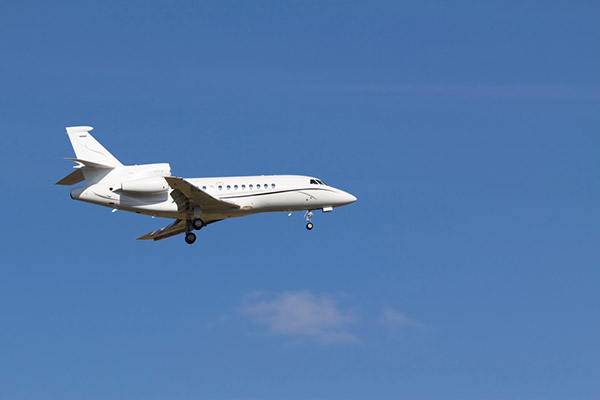
Insurance considerations vary based on aircraft type and mission profile. Single-engine, multi-engine, turboprop, and jet aircraft each present unique underwriting considerations related to performance, passenger capacity, and utilization.
Browse Aircraft by Brand or ModelSpecialized and International Operations
International flights, high-utilization schedules, and specialized charter missions should always be disclosed during the insurance process. Insurers may require documentation of routes, training, and operating authority.
Information to Have Ready
Having the following information available helps streamline the quoting process:
- Pilot qualifications, training records, and experience summaries
- Aircraft details, configuration, and utilization estimates
- Operating authority documentation and mission profiles
- Prior loss history, if applicable
Charter & Part 135 Insurance
Charter and Part 135 operations provide on-demand air transportation for passengers, cargo, and specialized missions under FAA commercial operating authority. These operations often involve higher utilization, passenger exposure, and regulatory oversight. Proper Part 135 insurance ensures operators are protected across every phase of commercial flight.
Insuring a Part 135 aircraft involves more than aircraft type alone. Underwriters evaluate operating authority, pilot qualifications, training programs, mission profiles, passenger volume, and compliance history. Coverage must accurately reflect how the aircraft is used in daily charter operations.
With Aero Insurance, you can compare all available quotes from every major aviation underwriter using one streamlined application. This approach helps eliminate coverage gaps and ensures your policy is built around your charter certificate—not a generic template.
Get a Part 135 Insurance QuoteGet Coverage Built Around Your Operation
Aero Insurance provides one application, access to every major aviation underwriter, fast renewals, and expert claims advocacy. Whether you operate a single charter aircraft or a growing fleet, we help keep the insurance process clear and efficient.
Get My Charter Insurance Quote