
Experimental / Homebuilt Aircraft Insurance
Coverage built for every phase — from construction to Phase I testing to full operations
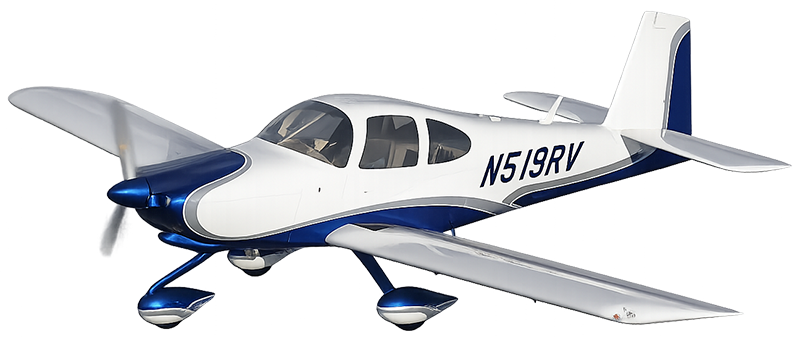
Experimental and homebuilt aircraft follow a unique lifecycle—planning, construction, inspection, flight testing, and ongoing operations. Because risk changes at each stage, insurance coverage must evolve with the project. With Aero Insurance, you can compare all underwriters with one application, ensuring no missed savings, no coverage gaps, and protection that keeps pace with your build.
Whether you’re still in the workshop, preparing for your first flight, or moving into Phase II recreational or cross-country flying, our specialists—trusted by pilots for 20+ years—help you secure coverage that matches your airframe, documentation, test plans, and pilot qualifications.
Get a Quote for Your Project
Who This Page Is For
This page is for kit builders, owner-operators, factory-assist participants, and buyers of completed experimental aircraft. It’s especially helpful for pilots preparing for Phase I flight testing or transitioning into Phase II personal and cross-country missions. If you want less paperwork and more flying, Aero’s streamlined quoting process gets you there faster.
Typical Uses We See
Experimental and homebuilt aircraft are commonly insured for the following uses:
- Personal and recreational flying
- Transition training and proficiency flights
- Avionics testing and system evaluation
- Efficiency and performance missions
- Static display or airshow participation (when permitted and endorsed)
Coverage Across the Build & Flight Timeline
1) Construction & Ground Risk
Early in the build, policies typically focus on ground-risk-only coverage. This protects the in-progress hull, major components, and sometimes tools and equipment. Accurate documentation—photos, receipts, and build logs—helps underwriters set proper values and favorable terms.
2) Pre-First-Flight & Inspection
As airworthiness certification approaches, insurers often adjust hull values to reflect build completion. Logs covering engine run-ups, avionics integration, and weight-and-balance data improve underwriting confidence and may result in lower premiums across all carriers.
3) Phase I Flight Testing
During Phase I envelope expansion and first flights, policies commonly include test-area limits, mentor pilot requirements, and strict pilot qualification standards. A structured test plan—covering engine break-in, handling qualities, and performance validation—can improve terms and reduce surprises at renewal.
4) Phase II Ongoing Operations
Once Phase I is complete, coverage typically expands to broader navigation limits and normal personal or business missions. Options such as higher liability limits, passenger carriage, and non-owned coverage may become available. Our renewals in minutes process helps ensure continued protection with no unexpected changes.
Compare All Underwriters
Key Factors That Influence Your Quote
Experimental aircraft underwriting is documentation-driven. Common factors reviewed by carriers include:
- Builder documentation: detailed logs, photos, inspection notes, and kit compliance records.
- Airframe and powerplant: component history, engine and propeller pairing, and service data.
- Pilot qualifications: total and recent flight time, transition training, tailwheel or high-performance endorsements.
- Test plan and mentorship: first-flight support and envelope-expansion procedures.
- Avionics and safety equipment: IFR capability, AOA indicators, autopilot, restraint systems.
- Storage and security: hangar versus tiedown, fire prevention, and shop environment.
- Modifications and loss history: airframe deviations or prior incidents.
Common Coverages for Experimental and Homebuilt Aircraft
Coverage for experimental aircraft is typically structured in stages and may include:
- Hull coverage: ground-only during construction, progressing to full flight coverage through Phase I and Phase II.
- Liability: bodily injury, property damage, and passenger liability when permitted.
- Named-pilot and mentor endorsements: structured oversight during early flight hours.
- Tools, equipment, and spares: optional protection for build-stage assets.
- Medical payments and search & rescue: offered by many specialty underwriters.
- Airshow or formation endorsements: available for qualified pilots through select markets.
Pilot Transition & Training
Transitioning into a new design—especially tailwheel, high-performance, or unconventional configurations—often requires documented dual instruction or mentor oversight. Demonstrating a clear training plan can unlock better pricing when you compare all quotes from all carriers.
Cost Drivers & Ways to Save
Builders and owners can often improve pricing and eligibility by taking the following steps:
- Maintain detailed build logs, photos, and documentation.
- Use a published test plan and log results throughout Phase I.
- Complete transition training in similar aircraft prior to first flight.
- Store the project in a hangar and document safety procedures.
Documents & Details to Have Ready
Having the following information available helps streamline the quoting process:
- Build documentation including kit model, component receipts, inspection notes, and avionics list.
- Pilot details such as certificates, ratings, medical status, recent time, and transition plan.
- Aircraft details including engine and prop status, equipment list, and notable deviations.
- Mission profile, operating base, and hangar or storage details.
Ready to Protect Your Build?
Whether you’re months away from your first engine start or refining Phase I test cards, Aero Insurance helps you secure the right coverage with less paperwork and more flying. Compare every carrier and get a policy built for every stage of your experimental project.
Start Your Quote