Multi-Engine Aircraft Insurance
Tailored coverage for piston and turboprop twins, with all quotes in one place
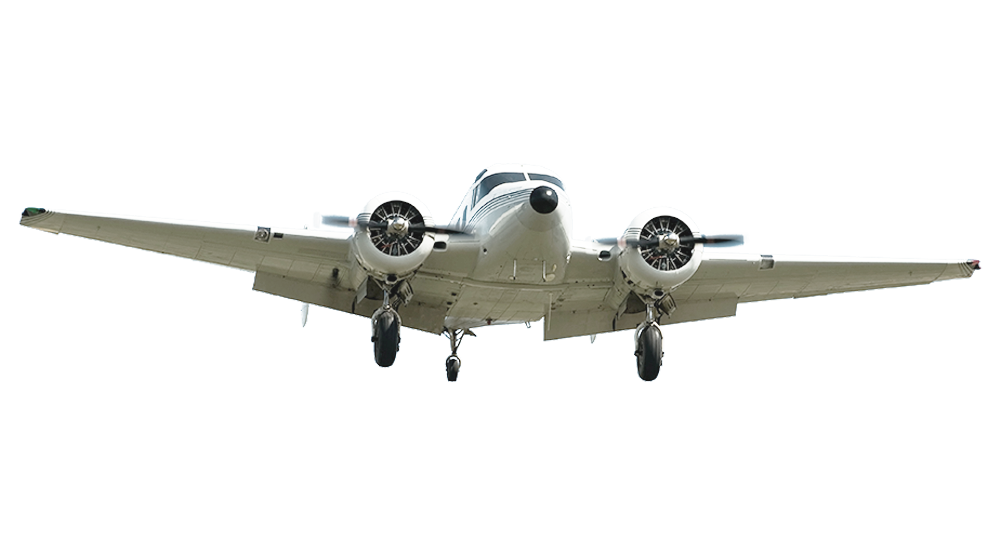
Multi-engine aircraft deliver redundancy, performance, and mission flexibility—but they also bring higher hull values, more complex systems, and stricter underwriting standards. Piston twins and light turboprops introduce twin-specific risks like asymmetric thrust, single-engine climb performance, higher approach speeds, and increased workload in IFR and night conditions. That’s why multi-engine aircraft insurance is priced and structured differently than most single-engine policies.
With Aero Insurance, you can compare all quotes from all underwriters using one application, so you don’t miss savings or overlook key endorsements. Whether you’re operating under Part 91 for personal or business flying—or have limited commercial exposure where eligible—our specialists help align coverage with how you actually fly.
Our team—trusted by pilots for 20+ years—simplifies the process with renewals in minutes, clear guidance on pilot requirements, and a clean submission that underwriters can evaluate quickly. You’ll spend less time on back-and-forth and more time getting approved to fly your twin.
Get a Multi-Engine Quote
Who This Page Is For
This page is for owners and operators of piston twins and light turboprops used for personal travel, business transportation, multi-engine training, and specialized Part 91 missions. It’s also helpful for pilots stepping up from high-performance singles who need to present transition training and multi-engine recency in a way that earns better terms.
Typical Uses We See
Multi-engine aircraft are commonly insured for the following types of use:
- Business travel and regional transportation
- Family travel and cross-country flying
- ME/IFR training and proficiency flying
- Part 91 cargo and special-mission operations (when eligible)
- Aircraft checkouts and structured transition programs
Key Factors That Influence Your Quote
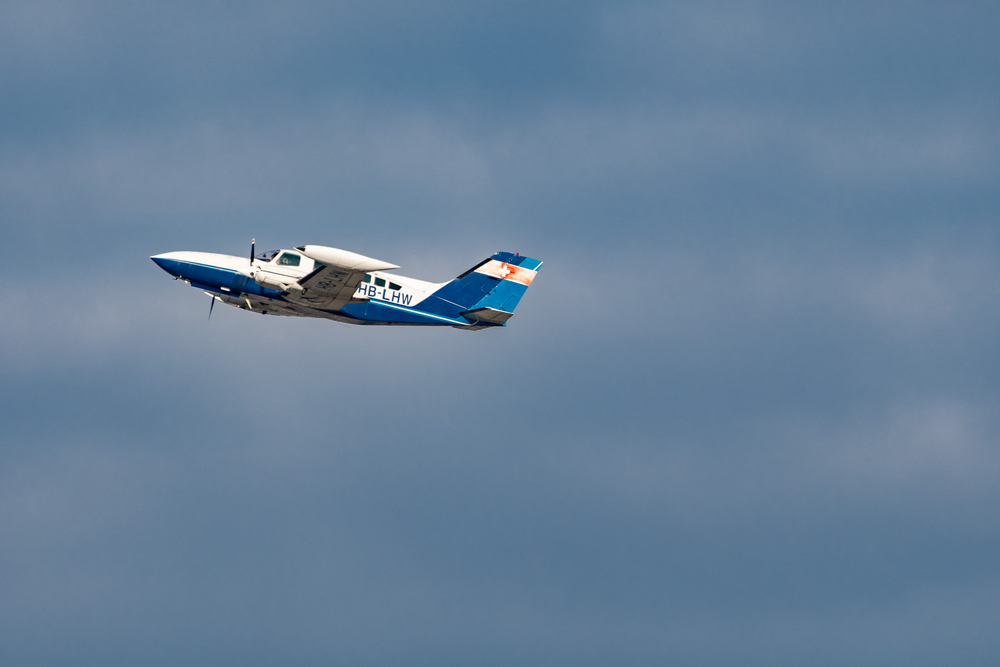
Multi-engine underwriting focuses heavily on pilot proficiency, recency, and aircraft complexity. Common factors include:
- Pilot experience: multi-engine total time, recent time (often last 12 months), make/model time, instrument currency, and documented recurrent training.
- Aircraft profile: piston vs. turboprop, pressurization, de-ice/FIKI capability, retractable gear, prop type, and key safety systems.
- Performance and operations: single-engine performance, runway lengths, IFR/night utilization, terrain exposure, and typical mission length.
- Maintenance program: adherence to manufacturer guidance, inspection history, engine/prop times, and tracking practices.
- Hull value and avionics: glass panels, radar, autopilot, AOA, engine monitoring, and upgrades that can improve underwriting confidence.
- Loss history: prior incidents, claims patterns, and evidence of corrective or recurrent training.
Common Coverages for Multi-Engine Aircraft
Most multi-engine aircraft policies are built using a combination of liability and hull protection, with endorsements tailored to your mission:
- Liability: third-party and passenger liability aligned with seating, typical passengers, and mission profile. Learn more about public liability coverage and passenger liability.
- Hull coverage: ground-only, ground and taxi, or full in-flight coverage, often structured on an agreed value basis. See details on in-flight hull insurance.
- Medical payments: coverage that can help with medical expenses for occupants and passengers.
- Non-owned (renter’s) coverage: helpful for pilots training in or renting twins. Learn more about non-owned aircraft insurance.
- Instruction and checkout endorsements: for dual given/received, mentor pilot requirements, and PIC minimums.
- Lender/lessor endorsements: additional insured, breach-of-warranty, and certificates on demand to satisfy lenders and FBOs.
Pilot Qualifications & Training
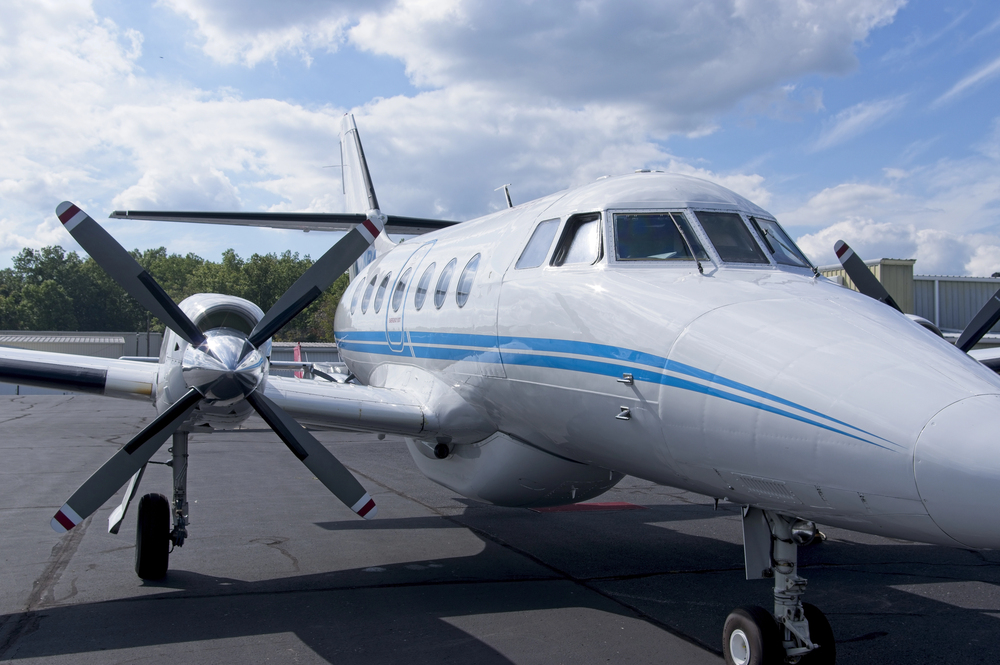
Recent multi-engine training can significantly improve both eligibility and pricing. Underwriters look for documented proficiency in VMC awareness, single-engine procedures, stabilized approaches, and IFR workload management. Depending on the aircraft and your background, some carriers may require supervised initial PIC time, mentor sign-off, or simulator-based training before granting broader privileges.
Share your training and transition plan once and we’ll present it to all carriers in a consistent format—so you can secure stronger terms with less paperwork.
Operational Considerations
Because multi-engine aircraft are commonly used in higher-performance and more demanding environments, these operational items matter during underwriting:
- IFR and night: strong instrument proficiency and a capable autopilot can reduce workload and risk.
- Single-engine procedures: documented asymmetric operations proficiency is reviewed closely.
- De-ice/FIKI: can improve dispatch reliability but still requires conservative decision-making.
- Terrain and runway: density altitude, obstacles, short fields, and mountain environments influence risk.
Cost Drivers & Ways to Save
Multi-engine policies can often be improved with training consistency, documented recency, and strong risk controls. Common ways to help your quote include:
- Complete annual simulator, factory-style, or mentor-led recurrent training.
- Build time in make/model before higher-risk missions or acting as sole PIC in demanding conditions.
- Document maintenance practices, hangar storage, and reliability or safety upgrades.
- Choose liability limits and deductibles that match your real-world exposure.
Popular Multi-Engine Segments
We frequently insure piston twins such as Barons, Senecas, and Twin Comanches—plus light turboprops including King Air C90/200 models and Cheyennes. No matter your aircraft, our process lets you compare every carrier with a single streamlined submission. For aircraft outside piston/turboprop categories, explore additional fixed-wing options at fixed-wing aircraft insurance.
Training & Transition Paths
Pilots stepping up from complex singles often benefit from structured dual instruction, supervised initial PIC time, and simulator-based courses. Presenting a clear transition path can help underwriters support stable renewals and reduce surprises at renewal time—especially as hull values and equipment evolve.
Documents & Details to Have Ready
The fastest way to get accurate multi-engine quotes is to have the key pilot and aircraft details available:
- Pilot certificates, ratings, medical status, and logged recent time (especially multi-engine and make/model hours).
- Aircraft details: N-number, year/model, engine and prop times, pressurization, icing capability, and avionics list.
- Maintenance documentation, inspection history, and storage details (hangar or tiedown).
- Any prior claims and the corrective actions or training completed afterward.
Ready to Protect Your Twin?
Share your aircraft profile, pilot experience, and mission details once—and we’ll return quotes from all underwriters with clear coverage options and a claims advocate from start to settlement. All quotes, only one application. Save time. Fly sooner.
Start Your Multi-Engine Quote