Single-Engine Aircraft Insurance
Smart, streamlined coverage for piston singles—built around how and where you fly

Single-engine aircraft are the backbone of general aviation—used for personal travel, flight training, time building, business transportation, and recreational flying. From primary trainers to high-performance piston singles, these aircraft represent the most common category of fixed-wing aircraft in operation today. Proper single-engine aircraft insurance ensures pilots and owners are protected across a wide range of flight profiles and operating environments.
Insuring a single-engine prop aircraft involves more than just the make and model. Underwriters evaluate how the aircraft is flown, pilot qualifications, recent flight time, avionics, storage conditions, and intended use. Whether the aircraft is privately owned, operated by a flying club, or used for instruction, coverage must be tailored to real-world operations.
With Aero Insurance, you can compare all available quotes from every major aviation underwriter using one streamlined application. This approach eliminates coverage gaps, uncovers cost-saving opportunities, and ensures your policy is built around your aircraft—not a generic template.
Get a Single-Engine Quote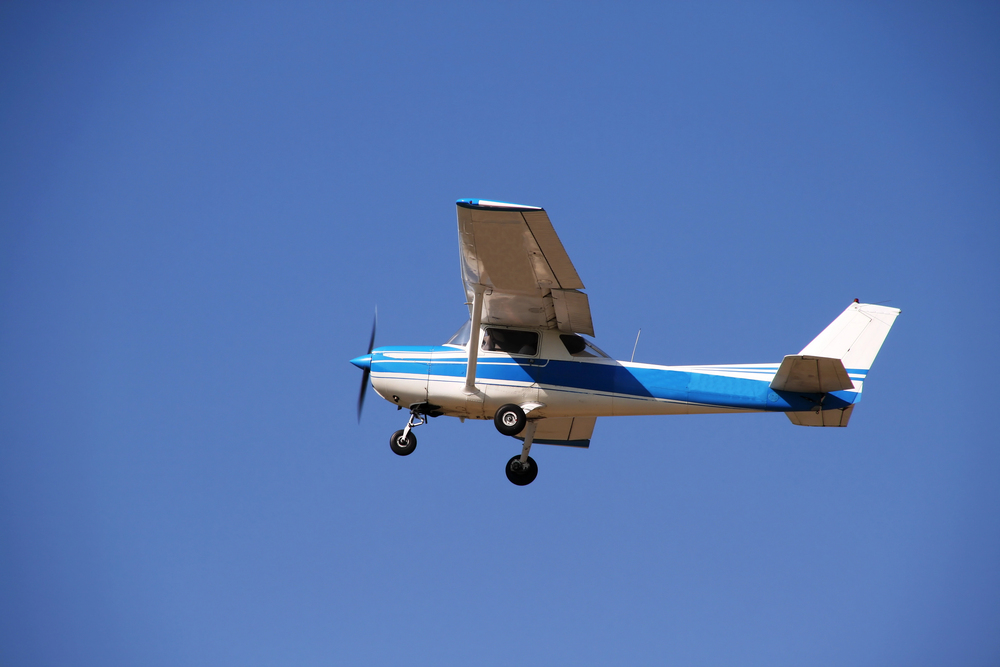
Who Single-Engine Aircraft Insurance Is For
This coverage is designed for private owners, student pilots, renters, flying clubs, and flight schools operating piston-powered, fixed-wing aircraft. Policies can be structured for fixed-gear or retractable aircraft, VFR or IFR operations, and both steam-gauge and glass cockpit configurations. Whether you fly occasionally or several times a week, Aero Insurance helps simplify protection and keep you flying.
Typical Single-Engine Aircraft Operations
Single-engine aircraft are commonly insured for personal and recreational flying, limited business use, primary and advanced flight training, instrument proficiency, aircraft checkout and transition training, avionics testing, and approved backcountry or short-field operations. Common operations include:
- Personal and recreational flying
- Business and cross-country travel
- Primary and advanced flight training
- Instrument proficiency and currency
- Avionics testing and evaluation flights
- Approved backcountry or short-field operations

Key Factors That Affect Single-Engine Insurance Rates
Aviation underwriters evaluate several core factors when determining eligibility, coverage structure, and pricing for single-engine aircraft insurance:
- Pilot experience: total flight time, recent flight hours, time in make and model, instrument rating, and recurrent training.
- Aircraft characteristics: hull value, horsepower, fixed vs. retractable gear, year of manufacture, and safety enhancements.
- Avionics and equipment: IFR capability, autopilot, ADS-B compliance, engine monitoring, and modern navigation systems.
- Storage and operating base: hangar versus tiedown, primary airport, terrain, and typical weather conditions.
- Claims and loss history: prior aircraft or pilot-related losses.
Common Coverages for Single-Engine Aircraft
Most single-engine aircraft insurance policies are built using a combination of the following coverage components:
- Aircraft liability insurance: bodily injury and property damage protection, including passenger liability. Learn more about public liability coverage.
- Hull insurance: physical damage coverage for the aircraft itself, available as ground-only, ground and taxi, or full in-flight protection. See details on hull insurance options.
- Medical payments: coverage for medical expenses for occupants and passengers.
- Non-owned aircraft insurance: liability and optional hull coverage for pilots who rent or fly club-owned aircraft. Learn more about renters’ insurance.
- Instruction endorsements: coverage for dual instruction, solo sign-offs, and approved training activities.
- Equipment and spares: protection for installed avionics, survival gear, tools, and spare parts.
Pilot Qualifications and Training Considerations
Pilot training and currency play a major role in underwriting decisions. Insurers typically favor pilots who maintain recent flight experience, complete transition training, and participate in structured proficiency programs. Complex or high-performance aircraft may require additional documented training or minimum time-in-type.
Managing Costs and Improving Eligibility
Pilots can often improve insurance eligibility and control premium costs by taking the following steps:
- Maintain recent and well-documented flight experience
- Complete recurrent or FAA WINGS training programs
- Store the aircraft in a hangar and document safety upgrades
- Select liability limits appropriate for passenger and operational exposure
Popular Single-Engine Aircraft Models
Insurance considerations vary significantly between different single-engine aircraft models. Performance capabilities, avionics, and hull value all influence policy structure. You can explore insurance details by manufacturer and model below.
Browse Aircraft by Brand or Model
Non-Owned and Renter Aircraft Coverage
Pilots who rent or fly aircraft they do not own often assume the owner’s policy provides complete protection. Non-owned aircraft insurance adds an additional layer of liability and optional hull coverage, reducing personal financial exposure.
Backcountry and Specialized Operations
Off-airport, mountain, and short-field operations should always be disclosed during the insurance process. Insurers may require documentation of training, aircraft modifications, and typical operating locations to ensure coverage aligns with actual use.
Information to Have Ready
Having the following information available helps streamline the quoting and underwriting process:
- Pilot certificates, medical status, recent flight time, and experience summary
- Aircraft details including N-number, year, engine and propeller data, and avionics list
- Primary storage location and operating base
- Training records and any prior loss history
Get Coverage Built Around Your Aircraft
Aero Insurance provides one application, access to every major aviation underwriter, fast renewals, and expert claims advocacy. Whether you’re insuring your first piston single or renewing coverage on a long-owned aircraft, we make the process clear and efficient.
Get My Single-Engine Quote