Piper Aircraft Insurance
Comprehensive coverage for Piper piston, twin, and turboprop aircraft, providing dependable protection tailored to the performance, value, and operational needs of each model.
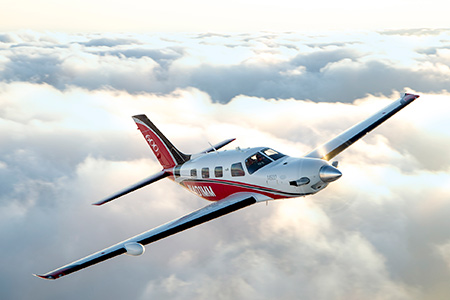
Piper Aircraft has earned its place as one of general aviation’s most respected manufacturers. From the classic Piper Cub to the modern M-Class series, Piper’s lineup supports a wide range of missions—training, personal travel, and business use alike. Aero Insurance provides tailored coverage for Piper owners, pilots, and operators, with all quotes from all carriers available through one application—so there are no missed savings and no coverage holes.
Whether you’re insuring a single Cherokee or a fleet of training or business aircraft, our specialists—trusted by pilots for 20+ years—help you compare every underwriter quickly and accurately. From first quote to renewal, you get less paperwork and more flying.
Get a Piper Insurance Quote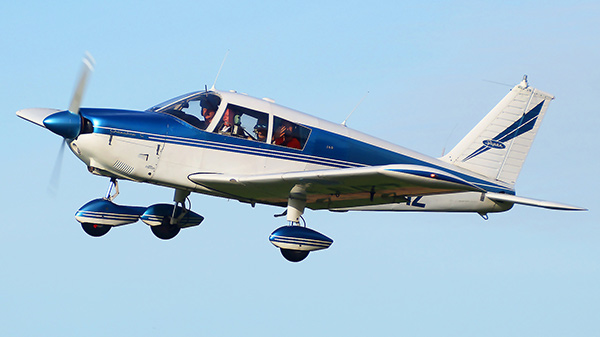
Who This Page Is For
Private owners, flying clubs, flight schools, and business operators flying any Piper model—from legacy Cherokees and Arrows to high-performance twins and M-Class turboprops (Meridian, M500, M600). We also serve operators managing training fleets or select charter operations, where having certificates on demand keeps lenders, FBOs, and partners happy.
Typical Uses We See
Personal and family travel, professional flight training, rental and time-building, small business transportation, and light commercial operations. Piper’s versatile lineup lets owners balance performance, comfort, and operating cost—our job is to match that flexibility with coverage that’s easy to renew and simple to manage.
Key Factors That Influence Your Quote
- Aircraft type: single-engine piston, twin, or turboprop—each category carries different risk profiles, hull values, and pilot standards.
- Pilot experience: total time, recent time, and time-in-type; complex, high-performance, and pressurized Piper models often require structured training.
- Training: completion of factory-approved or simulator-based recurrent training programs, especially for M-Class turbine aircraft.
- Operations: personal vs. business use, IFR frequency, night flying, and base airports (towered vs. non-towered).
- Maintenance program: adherence to manufacturer inspection intervals, service bulletins, and engine time since overhaul; avionics and safety upgrades also matter.
- Hull value: model year, equipment, panel upgrades (e.g., glass cockpits), and performance modifications.
- Loss history: prior claims for either pilot or aircraft, along with remedial training or maintenance improvements.
Common Coverages for Piper Aircraft
- Liability: passenger and third-party protection with limit options tailored to personal, instructional, or light commercial use.
- Hull (agreed value): ground-only, ground & taxi, or full-flight coverage, with deductibles scaled to aircraft value and mission.
- Non-owned (renter’s): liability and physical damage protection for pilots flying rented or club Piper aircraft.
- Medical payments & search and rescue: optional enhancements that complement both hull and liability.
- Equipment & spares: coverage for avionics, tools, and spare parts on-site or in transit.
- Lender / lessor requirements: breach-of-warranty, additional insured, and loss payee endorsements for financed or leased aircraft.
- Instructional endorsements: coverage options designed for CFIs and schools conducting dual-given or rental operations in Piper fleets.
Pilot Training & Proficiency
Pilot training is a key underwriting factor for Piper aircraft, particularly complex, high-performance, or pressurized models. For PA-46 (Malibu, Mirage, Meridian, M500, M600) aircraft, simulator-based initial and recurrent training at approved facilities is often expected or required. For piston models, regular recurrent training and strong IFR proficiency can improve quotes when you compare every carrier through Aero.
Operational Considerations by Category
- Piston singles: Cherokee, Archer, Arrow, Dakota, and Saratoga aircraft are popular for personal and training use. Hangar storage and modern avionics upgrades typically support better terms.
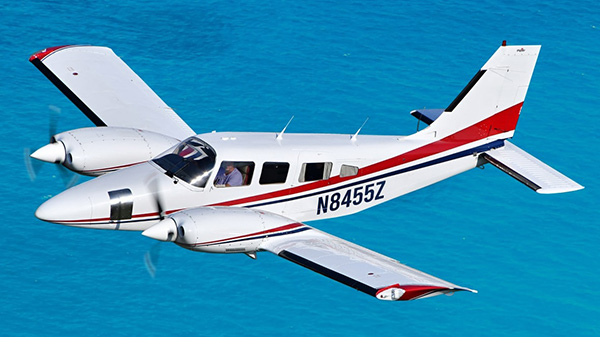
- Twin pistons: Seneca and Seminole models generally require multi-engine ratings, minimum ME time-in-type, and recurrent training or mentor time.
- Turboprops: Meridian, M500, and M600 aircraft often require simulator-based training, detailed maintenance documentation, and clear mission profiles.
Cost Drivers & Ways to Save
- Complete annual recurrent training, especially in complex or turbine-powered Piper models.
- Maintain consistent recency of experience and logbook currency.
- Hangar the aircraft when possible to reduce exposure and potential hull claims.
- Provide thorough maintenance records, including engine and propeller times, and avionics upgrades.
Popular Piper Models We Insure
- Piston singles: Cub, Cherokee series, Archer, Arrow, Dakota, Saratoga.
- Twin pistons: Seneca and Seminole.
- Turboprops: Malibu Meridian, M500, M600 SLS with Garmin G3000 and similar configurations.
Documents & Details to Have Ready
- Pilot certificates, ratings, total/recent time, and make/model experience.
- Aircraft details: year, serial number, avionics suite, engine/prop times, and modifications.
- Maintenance and training documentation, including simulator or factory training certificates for PA-46/M-Class aircraft.
- Hangar/tiedown details and primary base of operations.
- Any prior loss history or incidents relevant to pilot or aircraft.
Why Piper Owners Choose Aero
With Aero Insurance, you get access to all quotes from all carriers through a single, streamlined application. Our team delivers proactive renewals, certificates on demand, and a claims advocate from start to settlement—so your Piper is protected and you can focus on the next flight.
Ready To Protect Your Piper?
Share your Piper model, equipment, and mission profile, and we’ll compare all underwriters to find the best fit. Faster quotes, simpler renewals, and less paperwork, more flying.
Start Your Piper Quote