Hull Insurance
Protection for the physical aircraft itself—whether on the ground or in flight—designed to match your aircraft value, operational profile, and coverage needs.
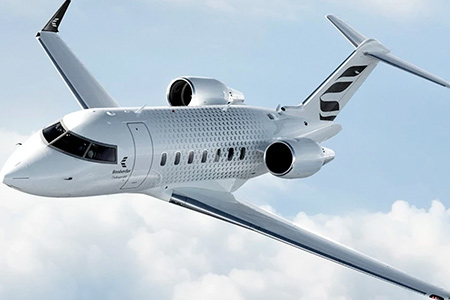
Hull insurance helps protect your aircraft against physical damage. Whether your aircraft is parked in a hangar, taxiing for departure, or operating in flight, the right hull coverage helps safeguard one of your biggest aviation investments. With Aero Insurance, you can see all quotes from all carriers with only one application—so there are no missed savings and no hidden coverage gaps.
Aircraft hull coverage is typically structured around how and when the aircraft is exposed to risk. Some owners need broad protection both on the ground and in the air, while others may need more specialized coverage based on storage, operations, aircraft value, financing, and usage. Our team—trusted by pilots for 20+ years—helps you compare markets and secure coverage aligned with your aircraft and mission.
If you’re exploring how aircraft protection is structured, these quick resources can help: coverage explained, ground risk hull insurance, and in-flight hull insurance.

Who This Page Is For
Aircraft owners, owner-operators, corporate flight departments, and aviation businesses that want to protect the insured value of their aircraft. Whether you fly a piston aircraft, turboprop, jet, helicopter, or specialty aircraft, Aero helps you compare every underwriter with one application—for less paperwork and more confidence.
What Hull Insurance Covers
Hull insurance is designed to cover physical damage to your aircraft. Depending on the policy structure, that protection may apply while the aircraft is parked, moving on the ground, or operating in flight. Coverage is generally written on an agreed value basis, meaning the aircraft is insured for a pre-determined value accepted by both you and the carrier.
- Ground damage: coverage for incidents while parked, stored, or taxiing, depending on policy terms.
- In-flight damage: coverage for physical damage sustained during flight operations.
- Agreed value structure: helps define the insured aircraft value in advance.
- Additional components: may include permanently installed avionics, equipment, and modifications.
Ground Risk vs. In-Flight Hull Coverage
Hull insurance is commonly divided into two major categories based on when the aircraft is exposed to risk:
- Ground Risk Hull Insurance: protects the aircraft while it is on the ground. This may be appropriate for aircraft in storage or for owners with limited operational exposure.
- In-Flight Hull Insurance: protects the aircraft during flight, as well as typically including ground exposure based on the policy structure. This is the more common option for actively flown aircraft.
Learn more about ground risk hull insurance and in-flight hull insurance.
Start Your Hull Insurance Quote

Key Factors That Influence Your Hull Insurance Quote
Hull insurance pricing depends on the aircraft itself, how it is operated, and the level of exposure involved. Carriers typically evaluate:
- Aircraft value: higher insured values generally increase premium.
- Aircraft type: piston, turboprop, jet, rotorcraft, and specialty aircraft each carry different risk profiles.
- Operational use: private use, business use, instruction, or commercial activity may affect underwriting.
- Pilot qualifications: total time, time in make and model, and recency of experience.
- Storage conditions: hangared vs. tied down, airport environment, and weather exposure.
- Maintenance history: condition, inspection status, and maintenance documentation.
- Loss history: prior claims and any risk improvement measures.
Common Coverages Paired With Hull Insurance
Hull insurance protects the aircraft itself, but most owners combine it with liability protections for broader coverage:
- Public liability: helps protect against bodily injury or property damage claims involving third parties. Learn more about public liability.
- Passenger liability: helps cover claims involving passengers on board. Learn more about passenger liability.
- Medical payments: may be available depending on policy structure.
- Lienholder or lender provisions: important for financed aircraft.
- Spare parts or equipment endorsements: may apply where eligible.
Why Agreed Value Matters
Most aircraft hull policies are written using an agreed value. That means you and the carrier establish the insured value of the aircraft in advance. Choosing the right value is important: underinsuring may leave you exposed, while overinsuring may increase premiums unnecessarily. Aero helps you compare market options so your insured value and coverage structure make sense for your aircraft and budget.
How To Help Improve Your Hull Insurance Pricing
- Keep logbooks, maintenance records, and inspections current.
- Store the aircraft in a hangar when possible.
- Maintain strong pilot qualifications and recurrent training.
- Update avionics and safety equipment where appropriate.
- Review insured value regularly to reflect current market conditions.
If you’re also reviewing broader liability requirements, visit public liability insurance.

Documents To Prepare For Faster Quotes
- Aircraft make, model, and year
- Current aircraft value or recent valuation details
- Pilot experience summaries
- Hangar or storage information
- Maintenance and inspection records
- Prior insurance and loss history
Ready To Protect Your Aircraft?
Whether you need ground risk coverage, in-flight protection, or a complete aircraft insurance package, Aero Insurance helps you compare every carrier in minutes. Get expert guidance, proactive renewals, and certificates on demand—so you can protect your aircraft with confidence.
Get My Hull Insurance Quote