Turbo-Prop Aircraft Insurance
Tailored protection for turboprop aircraft under Part 91 and select Part 135 operations, aligned with your aircraft, routes, and operational demands
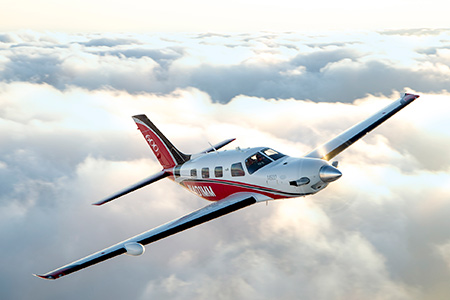
Turboprop aircraft combine efficiency, range, and short-field performance—making them ideal for regional travel, business operations, and access to airports jets can’t reach. But they also come with higher hull values, turbine systems, and more advanced operational requirements than piston aircraft. Your insurance should reflect that balance. With Aero Insurance, you can see all quotes from all carriers with only one application—so there are no missed savings and no coverage gaps.
Underwriters evaluate pilot experience, turbine time, training, and operational profile to determine pricing, limits, and requirements. Our team—trusted by pilots for 20+ years—helps you compare every carrier and secure coverage tailored to how you actually fly.
If you’re still learning how coverage works, explore: coverage explained, public liability, and in-flight hull insurance.
Who This Page Is For
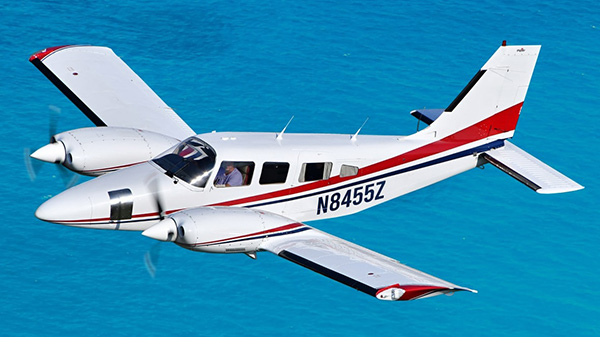
Owner-operators, business users, and charter operators flying turboprop aircraft under Part 91 and select Part 135 operations. Whether you’re operating a King Air, PC-12, or Caravan, Aero delivers all underwriters, no missed savings—with less paperwork and faster quotes.
Typical Turboprop Operations
Regional business travel, short-field operations, cargo transport, medical flights, and missions requiring versatility and reliability. Turboprops are often used in environments where runway access, weather, and operational flexibility are critical.
Key Factors That Influence Your Quote
Turboprop underwriting focuses on both turbine complexity and operational flexibility:
- Pilot experience: total time, turbine time, and time-in-type
- Training: initial and recurrent programs (simulator training often preferred)
- Operations: IFR use, short-field operations, and regional routes
- Aircraft type: performance, pressurization, and value
- Maintenance: engine programs and inspection tracking
- Usage: personal, business, or commercial operations
- Loss history: claims and safety record

Common Coverages for Turbo-Prop Aircraft
Turboprop policies typically include liability and hull coverage, with endorsements based on your operation:
- Liability coverage: protects against bodily injury and property damage claims. See public liability and passenger liability.
- Hull coverage: agreed value coverage for your aircraft.
- Passenger liability: required for carrying passengers
- Crew coverage: depending on operation type
- Commercial endorsements: for charter or business use
- International endorsements: for cross-border operations
Crew Standards & Training Expectations
Turboprop operators are expected to maintain turbine-specific training and proficiency. While requirements may be less strict than jets, many carriers still prefer formal training programs and consistent recurrency. Strong training records can improve pricing and access to more markets when you compare every carrier.
Operational Considerations
- Short-field operations: performance and runway conditions matter
- Weather exposure: icing conditions and onboard systems (FIKI)
- Regional flying: frequent takeoffs/landings increase exposure
- Remote locations: limited infrastructure and maintenance access
If you operate internationally, review international proof requirements.

Turbo-Prop vs Jet Insurance
Turboprops offer efficiency and flexibility, especially for shorter routes and smaller airports, while jets provide higher speed and range. Insurance requirements for turboprops are typically less restrictive than jets but still require turbine-specific underwriting. For a jet-focused breakdown, explore jet insurance.
Cost Drivers & Optimization
Optimizing turboprop insurance comes down to training, documentation, and operational clarity:
- Maintain current turbine training and certifications
- Keep maintenance and engine program records organized
- Align liability limits with passenger and operational exposure
- Implement safety procedures and standard operating practices
Documents to Prepare for Faster Quotes
- Pilot experience and turbine time
- Aircraft specifications and equipment
- Maintenance and inspection records
- Usage details and loss history
Ready To Protect Your Turbo-Prop?
Whether you operate a single-pilot turboprop or a multi-crew aircraft, Aero Insurance helps you compare every carrier in minutes. Get proactive renewals, certificates on demand, and expert guidance—so you can save time and fly sooner.
Get My Turbo-Prop Quote