How Rising Aircraft Repair Costs Are Impacting Aviation Insurance Rates
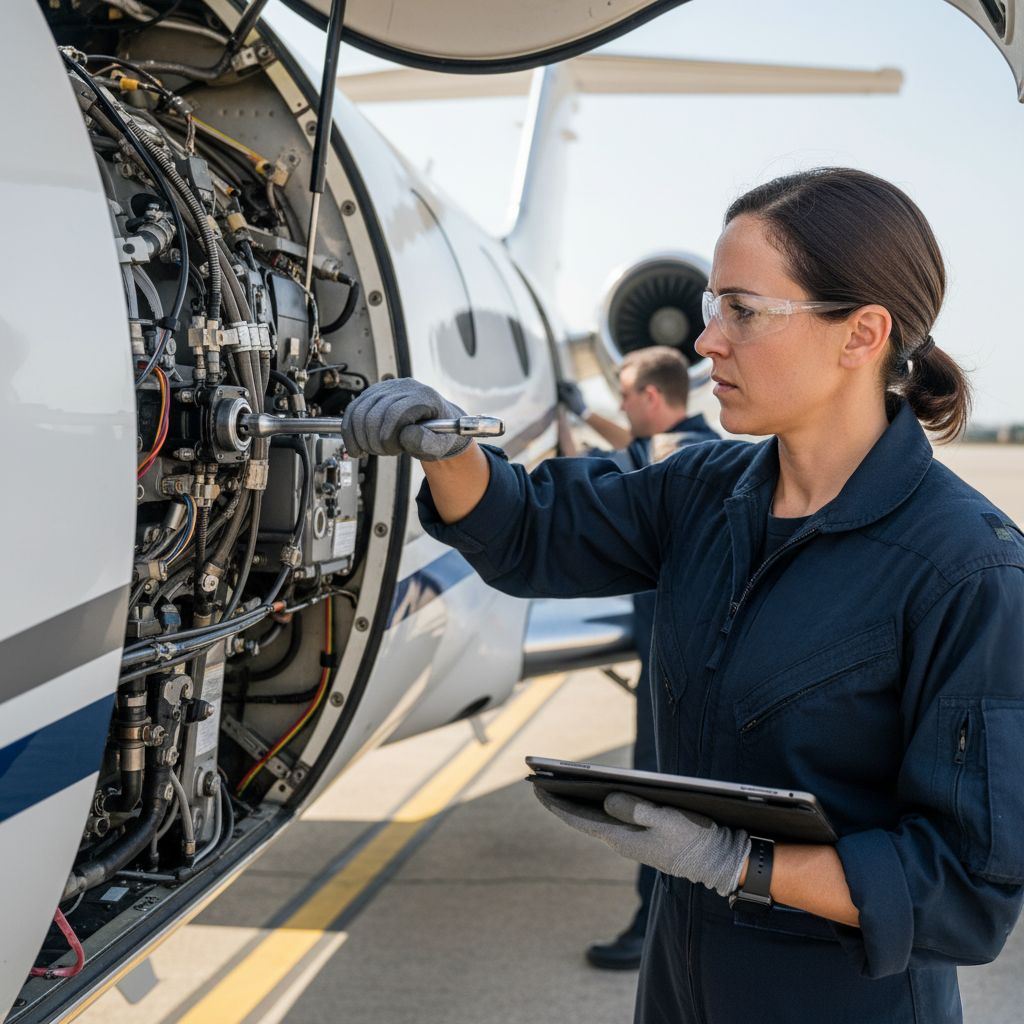
Aircraft ownership has always required careful financial planning, but in recent years, one factor has become impossible to ignore: rapidly increasing repair costs. From parts shortages to specialized labor demands, the cost of maintaining and repairing aircraft is climbing—and aviation insurance rates are following closely behind.
Rising repair costs don’t just affect your maintenance budget—they directly influence your premiums, coverage options, and risk exposure. For many aircraft owners and operators, these rising costs are showing up where it matters most—during policy renewals, claim settlements, and coverage decisions.
Key Takeaways
- Aircraft repair costs are rising due to parts, labor, and supply chain issues
- Higher repair costs directly increase aviation insurance premiums
- Older aircraft and specialized parts are especially expensive to insure
- Risk mitigation and maintenance can help control insurance costs
- Working with experts helps you secure better coverage and pricing
Why Aircraft Repair Costs Are Increasing
Aircraft repair costs are rising due to a combination of global and industry-specific challenges. While inflation plays a role, aviation faces unique pressures that make repairs significantly more expensive than in other industries. Understanding these factors helps explain why insurers are adjusting rates across the board.
#1: Supply Chain Disruptions
Aircraft parts are highly specialized and often manufactured by a limited number of suppliers. When those supply chains are disrupted—whether due to global events, production delays, or transportation issues—availability drops and prices rise quickly.
In some cases, repair timelines are extended simply because parts are backordered, which increases labor hours, storage costs, and overall claim expenses.
#2: Specialized Labor Shortages
Unlike automotive repair, aircraft maintenance requires certified technicians with advanced training. The industry is currently facing a shortage of qualified mechanics, which has driven up labor costs significantly.
This shortage also means longer turnaround times for repairs, increasing downtime for aircraft owners and higher total claim costs for insurers.
#3: Aging Aircraft Fleet
A large portion of the general aviation fleet is made up of older aircraft. While these planes are still airworthy, sourcing parts can be challenging and expensive, especially when manufacturers no longer produce them.
Owners may need to rely on refurbished components or custom fabrication, both of which can increase repair costs and complexity.
#4: Advanced Technology Integration
Modern aircraft systems, including digital avionics and integrated flight systems, have improved safety and performance—but they also come with higher repair costs.
Example: A modern avionics failure may require specialized diagnostics, proprietary parts, and certified technicians, significantly increasing the cost compared to older systems.
How Repair Costs Influence Aviation Insurance Rates
Insurance companies base premiums on risk exposure, and repair cost is one of the most important variables in that equation. As repair expenses rise, insurers must adjust how they price and structure policies.
Higher Claim Payouts
When an aircraft is damaged, the insurer is responsible for covering repair costs within the policy limits. As those costs increase, the average claim payout rises as well.
To remain profitable and maintain financial stability, insurers spread that increased risk across policyholders through higher premiums.
Increased Total Loss Risk
In some cases, the cost to repair an aircraft may approach—or even exceed—its insured value. When that happens, insurers may declare the aircraft a total loss rather than proceed with repairs.
This scenario increases financial exposure for insurers, especially with older aircraft or rare models where replacement costs are difficult to predict.
Adjusted Underwriting Standards
As repair costs rise, insurers are becoming more selective about the risks they accept. Underwriting guidelines are tightening, particularly for aircraft that present higher repair challenges.
- Older aircraft with limited parts availability
- Aircraft with custom or non-standard modifications
- Models with historically high repair or claim costs
Policy Premium Increases
Even if you haven’t filed a claim, your premiums may still increase due to broader industry trends. Insurers regularly adjust pricing based on overall claim data, not just individual policy history.
This means that rising repair costs can impact your renewal rates even if your risk profile hasn’t changed.
The Aircraft Most Affected by Rising Costs
Not all aircraft are impacted equally. Certain types are more susceptible to rising repair costs due to complexity, age, or parts availability.
Older Aircraft
Older aircraft often require parts that are no longer in production, making repairs more time-consuming and expensive. In some cases, locating the right component can take weeks or months.
This extended downtime not only increases repair costs but can also affect how insurers evaluate risk for these aircraft.
High-Performance Aircraft
High-performance aircraft typically feature advanced systems and materials that require specialized expertise to repair. Even minor damage can involve complex diagnostics and costly parts.
As a result, these aircraft often carry higher insurance premiums due to the increased cost of potential claims.
Aircraft With Custom Modifications
Custom upgrades or modifications can improve performance or comfort, but they can also complicate repairs. Non-standard components may be harder to replace, and repair procedures may not follow typical guidelines.
Insurers often factor this added complexity into their pricing models.
Concerned About Rising Aviation Insurance Costs?
Get expert guidance tailored to your aircraft and operations.
Strategies To Manage Aviation Insurance Costs
While rising repair costs are largely outside your control, there are proactive steps you can take to minimize their impact and position yourself as a lower-risk policyholder.
Maintain a Strong Safety Record
A clean claims history remains one of the most effective ways to keep premiums manageable. Insurers reward operators who demonstrate consistent, safe flying practices over time.
Invest in Preventative Maintenance
Routine inspections and proactive maintenance can help identify issues before they become costly repairs. Addressing small problems early reduces the likelihood of major claims.
Choose Coverage Carefully
Selecting the right policy structure is essential. Overinsuring can lead to unnecessary costs, while underinsuring increases financial risk.
Exploring tailored solutions like aviation insurance coverage ensures your policy aligns with your specific aircraft and usage.
Increase Deductibles Strategically
Opting for a higher deductible can reduce your premium, but it’s important to choose a level you can comfortably afford in the event of a claim.
Work With an Experienced Broker
A knowledgeable advisor can help you navigate policy options, compare carriers, and identify cost-saving opportunities. Working with an experienced insurance broker can provide valuable insights and long-term savings.
What This Means for Aircraft Owners and Operators
The relationship between repair costs and insurance rates reflects a broader shift in the aviation industry. As costs continue to rise, insurers are placing greater emphasis on risk assessment and operational safety.
- Ongoing premium adjustments
- More detailed underwriting requirements
- Increased scrutiny of maintenance and safety practices
Staying informed through resources like aviation insurance basics can help you make more confident decisions and adapt to changing conditions.
Looking Ahead: The Future of Aviation Insurance Costs
Looking forward, several trends are likely to continue shaping aviation insurance rates. Advances in technology, evolving regulations, and ongoing supply chain challenges will all play a role.
At the same time, innovations in maintenance practices and data-driven risk assessment may help stabilize costs over time. However, for now, aircraft owners should plan for continued volatility and prioritize proactive risk management.
Conclusion: Staying Ahead of Rising Aviation Insurance Rates
Rising aircraft repair costs are reshaping the aviation insurance landscape. Higher parts prices, labor shortages, and increased complexity are driving up claim costs—and, in turn, premiums.
By understanding these dynamics and taking proactive steps, aircraft owners and operators can better manage their risk and control long-term costs. Working with experienced professionals, maintaining your aircraft, and choosing the right coverage are all essential strategies in today’s evolving market.
Ready to Protect Your Aircraft and Control Costs?
Speak with our aviation insurance specialists today.