Robinson Helicopter Insurance
Coverage guidance for Robinson R22, R44, and R66 helicopter owners and operators
Get coverage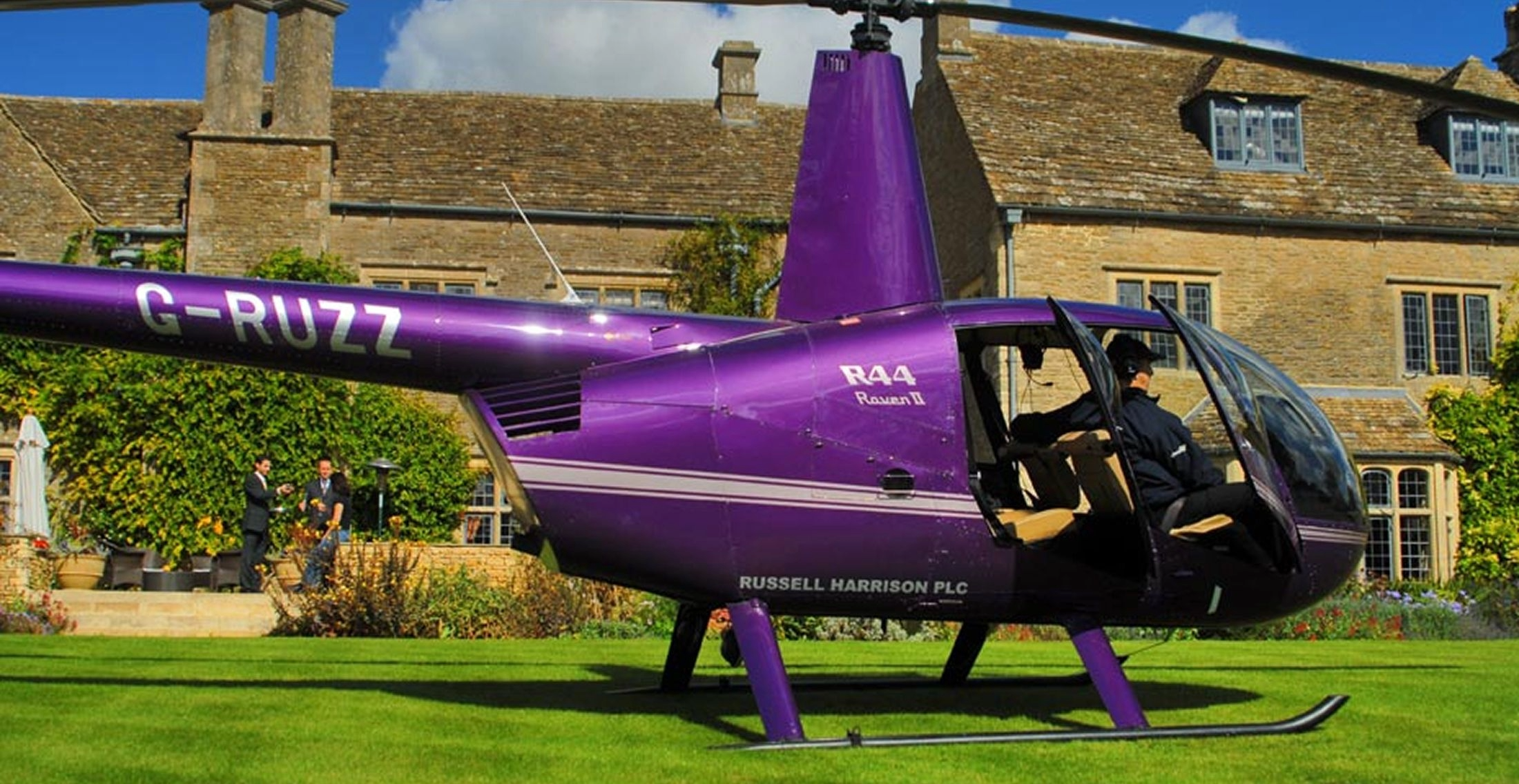
Explore Robinson helicopter coverage
Insurance Across the Robinson Helicopter Family
Robinson Helicopter Company produces light helicopters used for flight training, private transportation, business travel, tourism, utility work, and other commercial operations. Its lineup includes both piston and turbine-powered aircraft, which means operators can have substantially different insurance considerations even within the same manufacturer.
For example, an R22 used primarily for flight instruction presents a different risk profile from a privately operated R44 or a turbine-powered R66 performing utility work. Pilot experience, aircraft value, training, annual utilization, and mission can all change the underwriting picture.
As a result, Robinson helicopter insurance should reflect the specific aircraft and the way its owner or operator actually uses it.
Get a Robinson Helicopter Insurance QuoteRobinson aircraft
Three Models With Different Capabilities
The R22, R44, and R66 share recognizable Robinson design characteristics, but they do not represent the same type of operation. Instead, the range progresses from a compact two-seat piston helicopter to a four-seat piston model and then to a five-seat turbine platform.
- Training and Personal Flying: The R22 remains closely associated with flight training while also serving private and specialized operators.
- Private and Commercial Use: Meanwhile, the larger R44 provides additional seating and flexibility for transportation, tourism, training, utility, and other missions.
- Turbine Operations: The R66 adds turbine power, more cabin capacity, and different performance and operating considerations.
- Utility Work: In addition, Robinson offers mission configurations that support demanding commercial and external-load operations.


Robinson helicopter operations
Different Aircraft, Different Insurance Factors
The aircraft, pilot, and mission all influence how an underwriter evaluates a Robinson helicopter operation.
Training
For instructional operations, student exposure, instructor experience, annual utilization, and training practices can influence underwriting.
Private Use
Meanwhile, personal and business flying places greater emphasis on pilot qualifications, aircraft value, storage, and operating habits.
Commercial
In addition, tourism, patrol, photography, utility, and similar commercial uses may create mission-specific exposures.
Turbine
Finally, moving into the R66 introduces turbine experience, transition training, and higher aircraft values into the underwriting discussion.

Pilot experience and training
Why Training Matters for Robinson Pilots
Pilot qualifications play an important role in helicopter underwriting, and Robinson operations can place particular emphasis on documented training and experience. Insurers may review total rotorcraft time, recent flight activity, make-and-model experience, ratings, and the type of flying the pilot plans to perform.
Robinson also maintains dedicated safety training for the R22, R44, and R66. Its Pilot Safety Course addresses accident prevention, emergency procedures, aircraft limitations, FAA regulations, and aeronautical decision-making.
Transitioning between Robinson models can create additional considerations as well. For instance, moving from an R22 or R44 into the turbine-powered R66 changes aircraft systems, performance, and pilot-experience expectations. Therefore, transition and recurrent training can become an important part of the insurance conversation.
Insurance considerations
What Underwriters Consider for Robinson Helicopters
Insurance pricing and eligibility depend on the complete operation rather than the model name alone. Instead, underwriters consider how the aircraft, pilots, mission, maintenance, and operating environment work together.
- Aircraft: First, model, year, hull value, engine type, avionics, modifications, and installed equipment help define the risk.
- Pilots: Insurers also review rotorcraft time, Robinson experience, recency, ratings, training, and turbine time when applicable.
- Operations: In addition, private use, flight instruction, tourism, utility work, patrol, and other commercial missions create different exposures.
- Utilization: Annual flight hours and the frequency of training or commercial operations may also influence underwriting.
- Maintenance: Similarly, inspection history, component life, maintenance practices, and aircraft condition help insurers evaluate the operation.
- Loss History: Finally, previous claims or incidents involving the aircraft, pilots, or operator may affect available terms.


Piston and turbine aircraft
How the R66 Changes the Operating Picture
The R22 Beta II and R44 Raven II use piston engines, while the R66 moves Robinson operators into a turbine-powered aircraft. That distinction can affect both the flying experience and the insurance requirements surrounding the helicopter.
For a pilot moving into the R66, insurers may look closely at previous turbine experience and formal transition training. The aircraft can also carry a higher insured value than the piston models, which may affect available limits, deductibles, and underwriting requirements.
The R66 also supports a variety of private and commercial missions. Additionally, utility configurations can perform external-load work, creating another set of operating and equipment considerations for the insurer.
Robinson helicopter models
Explore Popular Robinson Helicopter Models
The Robinson models represented on Aero Insurance’s site cover three distinct points in the manufacturer’s range. Consequently, aircraft value, passenger capacity, pilot requirements, and intended use can vary considerably from one model to another.
Robinson R66
A five-seat turbine helicopter that expands Robinson’s capabilities beyond its piston-powered models. Owners and operators use the R66 for private transportation, commercial work, utility missions, and other applications.
See MoreRobinson R44 Raven II
A four-seat piston helicopter powered by a fuel-injected Lycoming IO-540. Its flexible configuration supports private flying, training, tourism, transportation, and utility operations.
See MoreRobinson R22 Beta II
A compact two-seat piston helicopter widely used for flight training. The R22 also supports personal flying and specialized missions where its size and operating profile fit the job.
See More

Common coverage
Building a Robinson Helicopter Insurance Program
The exact policy depends on the aircraft and operation. However, Robinson helicopter owners commonly need to consider several core and optional areas of protection.
- Aircraft Hull: For physical damage, hull coverage can protect the insured value of the helicopter against covered losses.
- Liability: Meanwhile, liability insurance can address covered claims involving passengers, people outside the aircraft, and property damage.
- Equipment: Avionics and mission-specific equipment may require additional consideration when establishing insured values.
- Commercial Operations: Depending on the mission, flight instruction, tourism, utility work, and other commercial uses may require appropriate policy provisions.
- Lender or Lessor Requirements: Finally, financed or leased helicopters may require specific policy provisions or certificates.
Maintenance and aircraft condition
Why Maintenance Records Matter
Robinson helicopters use life-limited components and manufacturer-defined inspection and maintenance requirements. Therefore, accurate records help demonstrate the aircraft’s maintenance status and provide insurers with a clearer picture of the risk.
Aircraft condition and maintenance history become especially important as helicopters age or accumulate significant flight time. Documentation of inspections, component replacement, repairs, and upgrades can help an underwriter understand the specific aircraft rather than relying on model and year alone.
Robinson also provides maintenance training for the R22, R44, and R66. For operators, following the applicable maintenance program and maintaining complete documentation supports both safe operation and a more complete insurance submission.


Preparing for a quote
Information to Have Ready
Providing complete information from the beginning can help underwriters evaluate a Robinson helicopter operation more efficiently. Before requesting quotes, gather details about both the aircraft and the people who will fly it.
- Pilot Information: Include certificates, ratings, total rotorcraft time, recent time, Robinson make-and-model experience, and turbine experience when applicable.
- Aircraft Details: Next, provide the model, year, serial number, hull value, avionics, modifications, and installed equipment.
- Operations: Underwriters will also need expected annual flight hours and a clear description of private, instructional, commercial, or specialized uses.
- Training: In addition, provide initial, transition, and recurrent-training records relevant to each pilot.
- Maintenance and Storage: Be prepared to provide maintenance information along with the aircraft’s normal base and storage arrangements.
- Insurance History: Finally, include information about prior coverage, claims, and incidents.
For flight schools or commercial operators, insurers may request additional details about instructors, students, annual utilization, customer operations, or other exposures. Providing that information early can make the underwriting process more efficient.
Ready to get started?
Find Coverage for Your Robinson Helicopter
Aero Insurance helps Robinson helicopter owners and operators compare aviation underwriters through one streamlined submission.
Whether you fly an R22, R44, or R66 for private transportation, flight training, business, tourism, utility work, or another commercial mission, coverage should reflect the aircraft, pilots, equipment, and operation behind it.
Start My Robinson Helicopter Quote