Enstrom Helicopter Insurance
Explore Enstrom’s piston and turbine helicopters and coverage for their different missions
Get coverage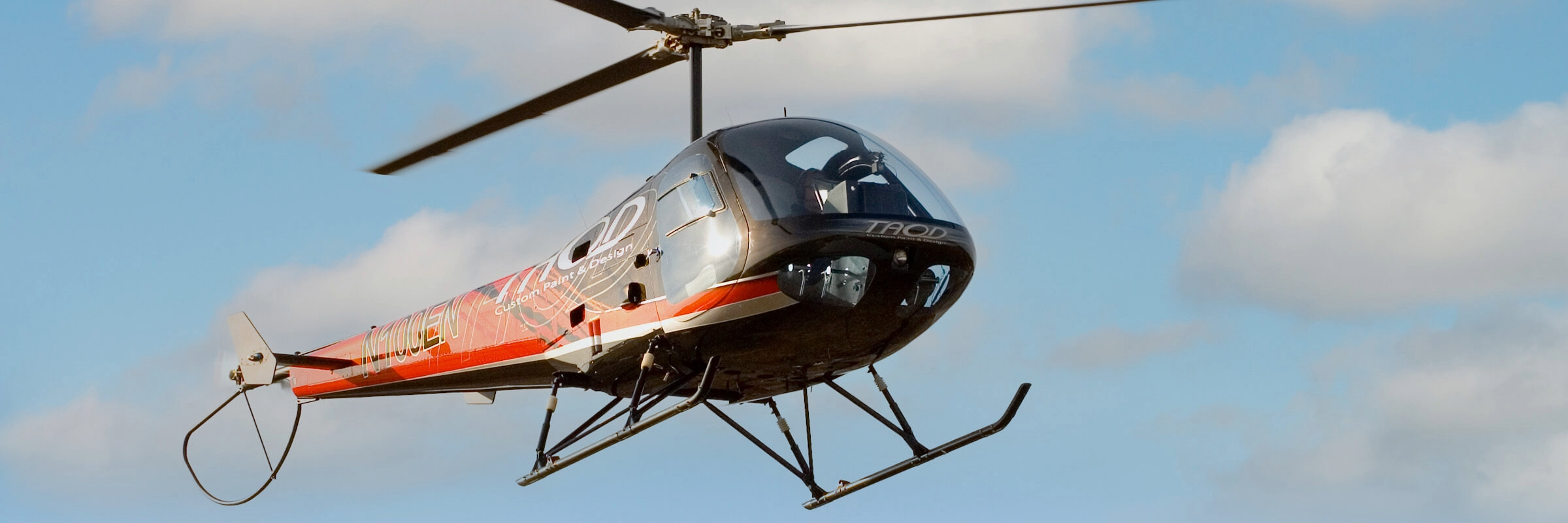
Enstrom Helicopter Corporation
One Manufacturer, Piston and Turbine Aircraft
Enstrom Helicopter Corporation builds piston and turbine helicopters for private owners, training programs, and other operators. Its lineup includes the piston-powered F28F and 280FX and the turbine-powered 480B family. Because those aircraft differ, the model, equipment, pilot experience, and mission all matter when seeking coverage.
For example, a piston helicopter used for instruction presents a different operating profile from a turbine aircraft used for patrol. Even helicopters of the same model can have different equipment and annual flight hours.
Enstrom helicopter insurance should reflect the aircraft and the flights you actually plan. Start with the exact model and explain who will fly it.
Explore Enstrom coverageDifferent operations
Enstrom Helicopters Serve Different Operators
Enstrom’s aircraft support several kinds of flying. For example, instruction involves frequent takeoffs and landings, while private trips or agency work may follow different routes and schedules. Describe your helicopter’s use under the relevant operating categories below:
- Private Flying: Personal use calls for accurate information about the owner, pilots, passengers, and expected flight activity.
- Flight Training: Instruction introduces student pilots, instructor qualifications, and frequent training flights.
- Law Enforcement: Agency work may involve observation equipment, distinct flight patterns, and specialized personnel.
- Commercial Operations: The type of paid work, contracts, and equipment should be described precisely.
- Government and Utility Work: Operating areas, landing locations, and any specialized tasks can affect underwriting.
However, the list describes possible uses, not the missions of every aircraft. Include only the work your helicopter will perform.


Enstrom helicopter operations
One Manufacturer, Several Risk Profiles
Aircraft configuration and use shape the coverage discussion.
Engine
Piston and turbine models call for different aircraft and pilot information.
Pilots
Training, recent flying, and make-and-model experience matter.
Mission
Instruction, private travel, and public service present distinct exposures.
Equipment
Installed systems and modifications can affect aircraft value and coverage.

Piston models
Piston Aircraft: F28F and 280FX
Enstrom’s F28F and 280FX are piston-powered helicopters that owners use for private flying, training, and other approved work. However, each aircraft still has its own equipment, value, and operating history.
For example, a flight school should describe its students, instructors, annual hours, and training activities. A private owner should identify every intended pilot and explain how the helicopter will be used.
Additionally, provide the aircraft’s year, equipment, modifications, and maintenance history. These details help underwriters assess the specific helicopter.
Turbine models
Explore the Enstrom 480B
Enstrom’s turbine-powered 480B family includes the 480B and 480B Elite. Operators use aircraft in this family for training, private flying, patrol, and other missions. Because equipment and use vary, an insurer needs the exact aircraft details.
A pilot moving from an Enstrom piston helicopter to a 480B may need different training. Additionally, avionics, mission equipment, and insured value can affect the coverage discussion.
The turbine-powered Enstrom 480B brings its own design features and training considerations to the coverage discussion.
See More

Pilot experience
Why Pilot Qualifications Matter
Insurers commonly review total rotorcraft hours, piston or turbine experience, time in the specific Enstrom model, ratings, recent flight activity, and recurrent training. For a flight school, they may also review instructor qualifications and the way student flights are supervised.
For example, an owner moving into a different Enstrom model may need transition training or supervised flying. Requirements depend on the insurer, pilot background, and proposed operation.
If several pilots will fly the aircraft, provide information for each one. This gives the underwriter the full pilot roster.
The underwriting picture
What Underwriters Consider for Enstrom Helicopters
Underwriters consider the helicopter and its planned operation together. The following details help them assess the risk:
- Aircraft: Exact model, year, registration, hull value, avionics, installed equipment, and modifications.
- Pilots: Rotorcraft experience, model time, ratings, recency, and training.
- Mission: Private use, instruction, law enforcement, commercial work, or another declared operation.
- Operating Environment: Airports, training areas, remote sites, terrain, and expected annual hours.
- Maintenance: Inspection records, component status, repairs, and overall aircraft condition.
- Loss History: Prior claims or incidents and any corrective measures.


Coverage considerations
Building an Enstrom Insurance Program
Coverage should address aircraft value, liability exposure, and permitted use. Depending on the policy, an Enstrom insurance program may include:
- Aircraft Hull: Physical damage coverage based on the helicopter’s insured value and policy terms.
- Liability: Protection for covered bodily injury, passenger claims, and third-party property damage.
- Instructional Use: Terms that accurately address student pilots and training flights when applicable.
- Specialized Equipment: Consideration for avionics or mission equipment installed on the aircraft.
- Financial Interests: Lender or lessor provisions required by an agreement.
Additionally, the declared use should match the operator’s planned flights. This is especially important for training or commercial work.
Explore helicopter coverageSpecialized operations
When the Mission Changes the Risk
A helicopter used for training presents different demands from one used for law enforcement or utility work. For example, student flights bring pilot-supervision questions, while agency work may involve specialized equipment and operating patterns.
Because those operations differ, describe each planned mission, the people aboard, and the places where the helicopter will fly. Also identify equipment that changes its value or function.
With that information, a broker can determine which policy terms and coverage options need closer attention.
Learn about specialized equipment coverage

Preparing for a quote
Information to Have Ready
Before requesting an Enstrom helicopter insurance quote, gather these details about the aircraft and its use:
- Aircraft Details: Model, year, registration, hull value, avionics, equipment, and maintenance status.
- Pilot Information: Rotorcraft and model hours, ratings, recent flying, and training history.
- Operating Plans: Private, instructional, commercial, or public-service use; annual hours; and geographic area.
- Coverage Needs: Requested hull value, liability limits, equipment protection, and lender requirements.
- Claims History: Previous losses or incidents and subsequent corrective actions.
Finally, your broker can use those details to present the operation to potential insurers.
Request Enstrom helicopter coverage