Sikorsky Helicopter Insurance
Coverage guidance for Sikorsky helicopter owners and operators
Get coverage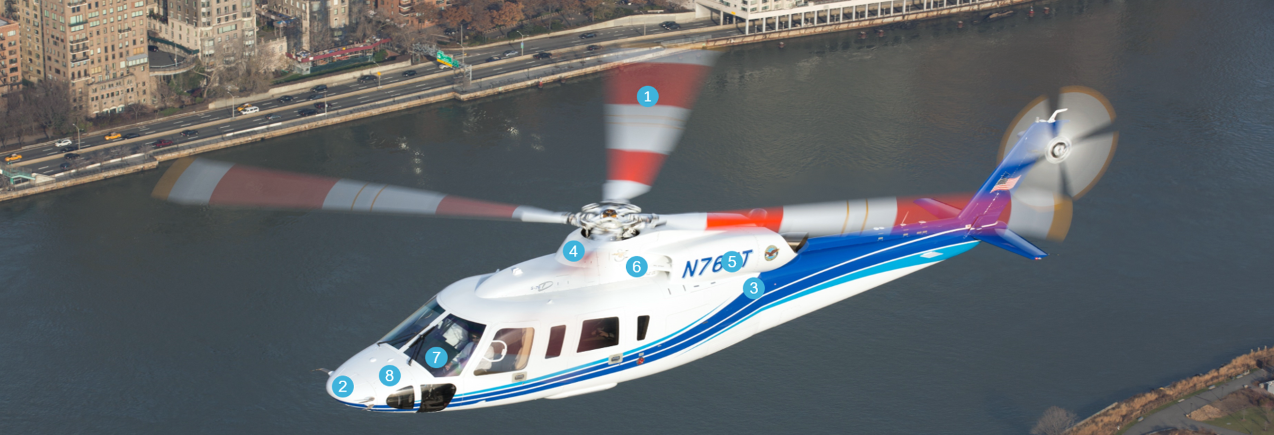
Sikorsky aircraft
Insurance for a Distinctive Helicopter Fleet
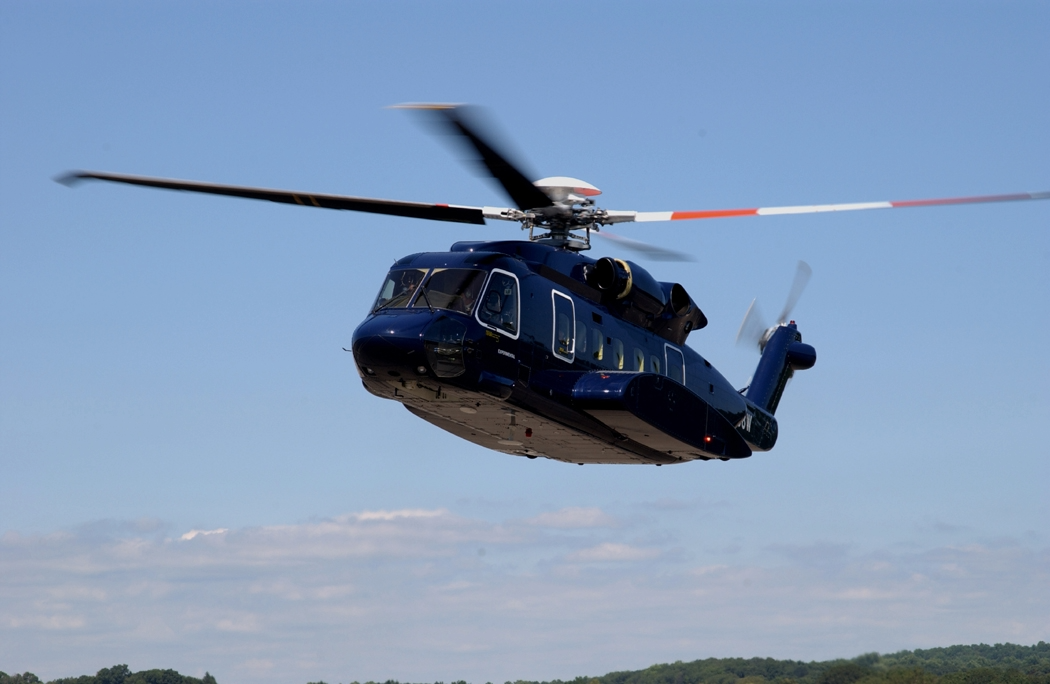
Sikorsky helicopters serve a broad range of private, corporate, commercial, and specialized operations. The S-76 family has a long history in executive transportation, offshore energy, air ambulance, and search and rescue, while the larger S-92 supports demanding passenger, offshore, utility, and rescue missions.
The S-70 Black Hawk brings another type of operation into the picture. As the commercially available version of the Black Hawk platform, it can support missions such as firefighting, search and rescue, law enforcement, and other public-service operations.
Because the aircraft and their uses differ significantly, Sikorsky helicopter insurance needs to account for more than the name on the airframe. Insurers also consider the model, pilots, equipment, mission, operating environment, and value of the aircraft.
Explore Sikorsky coverageDifferent operations
Sikorsky Helicopters Serve Very Different Missions
Two operators can own Sikorsky helicopters while presenting substantially different risks to an insurer. A corporate S-76 transporting executives does not operate like an S-92 carrying personnel offshore or an S-70 supporting aerial firefighting.
- Executive and VIP Transportation: S-76 and S-92 helicopters can support corporate, executive, and other passenger transportation.
- Offshore Energy: Both the S-76 and S-92 have extensive histories transporting personnel and equipment for offshore operations.
- Search and Rescue: Specialized rescue missions can introduce challenging environments, equipment, and operating demands.
- Air Ambulance: Medical transportation may require specialized cabin equipment and operational considerations.
- Utility and Public Service: Cargo, firefighting, law enforcement, and other specialized missions can create exposures that differ considerably from passenger transportation.


Sikorsky helicopter operations
One Manufacturer, Many Missions
The mission, equipment, and operating environment can significantly change the risks an insurer evaluates.
Executive
For corporate and VIP transportation, passenger exposure, pilot experience, aircraft value, and liability requirements help shape coverage.
Offshore
Meanwhile, overwater operations can add passenger exposure, specialized equipment, demanding environments, and mission-specific underwriting considerations.
Rescue
In addition, search and rescue and air ambulance missions may involve specialized crews, equipment, and challenging operating conditions.
Utility
Finally, external loads, firefighting, public service, and other specialized work require coverage that reflects how the aircraft is actually used.

Pilot experience
Why Pilot Qualifications Matter
Pilot experience remains one of the most important considerations in helicopter underwriting. Insurers commonly review total rotorcraft time, turbine experience, time in the specific make and model, recent flight activity, ratings, and training.
The aircraft matters as well. Moving into an S-76, S-92, or S-70 can represent a significant transition for a pilot who has primarily flown smaller or less complex helicopters. Therefore, an insurer may require additional training or supervised experience before approving that pilot.
Operators with multiple pilots should also expect insurers to review the qualifications of each person who will fly the aircraft. Strong recurrent training and documented proficiency can make the operation easier for an underwriter to evaluate.
The underwriting picture
What Underwriters Consider for Sikorsky Helicopters
Underwriters look at the complete operation rather than evaluating the helicopter in isolation. Important factors can include:
- Aircraft: Exact model and variant, year, hull value, configuration, avionics, and installed equipment.
- Pilots: Total rotorcraft time, turbine and multi-engine experience, make-and-model time, recency, ratings, and training.
- Mission: Private transportation, corporate use, offshore work, EMS, search and rescue, utility, firefighting, or other operations.
- Operating Environment: Airports and heliports, offshore platforms, remote areas, confined landing zones, terrain, and other operating conditions.
- Maintenance: Inspection history, component tracking, maintenance practices, and the aircraft’s overall condition.
- Loss History: Previous claims or incidents and any steps taken to address the underlying causes.

The S-76 family
A Long-Standing Commercial Platform
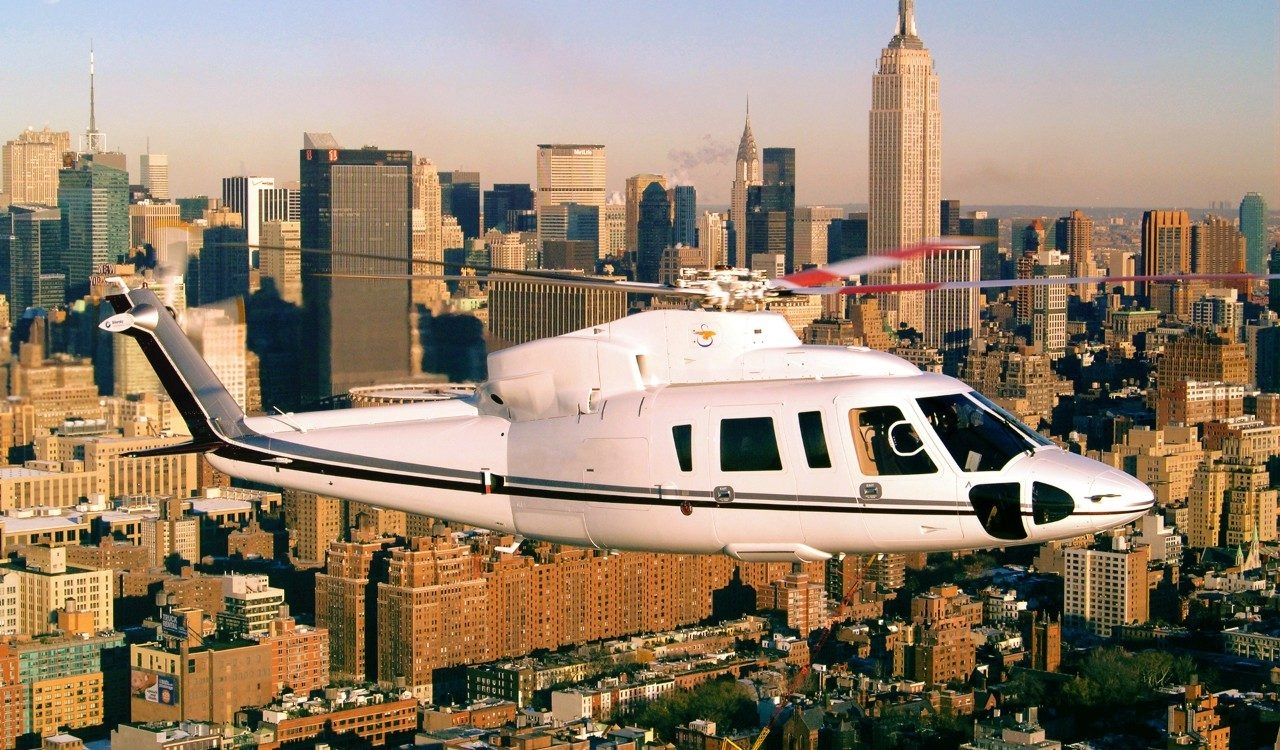
The S-76 has served commercial and private operators for decades. Sikorsky originally developed the aircraft for offshore transportation, but the platform expanded into executive transportation, search and rescue, air ambulance, utility, and other missions.
That history also means the operating fleet includes several generations of the aircraft. The models represented on Aero Insurance include both the S-76C++ and the later S-76D.
For insurance purposes, that distinction matters. Aircraft age, variant, hull value, avionics, upgrades, maintenance history, and replacement considerations can all affect the underwriting picture. As a result, owners should provide the insurer with information about the specific aircraft rather than relying on the broader S-76 designation alone.
Sikorsky models
Explore Popular Sikorsky Helicopter Models
The Sikorsky models represented on Aero Insurance range from established executive helicopters to larger aircraft designed for demanding commercial and specialized operations.
Sikorsky S-76D
A later S-76 variant suited to executive and VIP transportation as well as offshore, rescue, and other commercial operations.
See MoreSikorsky S-92
A larger twin-engine helicopter used for offshore energy transportation, search and rescue, executive and Head of State transportation, utility work, and other demanding missions.
See MoreSikorsky S-76C++
An established member of the S-76 family that continues to serve corporate, offshore, and other operators.
See MoreSikorsky S-70i Black Hawk
The commercially available Black Hawk platform can be configured for missions such as firefighting, search and rescue, law enforcement, border patrol, and other specialized operations.
See MoreEach model presents a different combination of aircraft value, pilot requirements, passenger exposure, equipment, and mission risk. Consequently, the appropriate insurance program can vary considerably across the Sikorsky fleet.

Coverage considerations
Building a Sikorsky Helicopter Insurance Program
Coverage should reflect both the value of the helicopter and the exposures created by its operation. Depending on the aircraft and mission, a Sikorsky insurance program may address:
- Aircraft Hull: Physical damage protection based on the agreed value of the helicopter and its insured equipment.
- Liability: Protection for bodily injury, passenger liability, and third-party property damage arising from covered operations.
- Equipment: Coverage considerations for avionics, hoists, medical equipment, external-load equipment, firefighting systems, and other specialized gear.
- Commercial Operations: Coverage and endorsements aligned with the actual mission rather than a generic helicopter policy.
- Lender or Lessor Requirements: Policy provisions needed when another party has a financial interest in the aircraft.
Specialized Sikorsky operations
When the Mission Changes the Risk
Specialized operations deserve particular attention when arranging coverage. A helicopter conducting external-load work, firefighting, search and rescue, or public-service missions may operate in conditions that look very different to an insurer than routine passenger transportation.
The S-70 Black Hawk illustrates that difference particularly well. The commercial S-70 platform can support firefighting, law enforcement, border patrol, and search and rescue. Depending on the operation, those missions may involve specialized equipment, low-altitude work, external loads, remote landing areas, or other exposures.
The same principle applies to S-76 and S-92 aircraft used for rescue, offshore, medical, or utility work. The policy needs to accurately reflect what the operator expects the helicopter to do.
Learn about specialized equipment coverage

Preparing for a quote
Information to Have Ready
Providing complete information helps underwriters evaluate the aircraft and operation accurately. Before requesting a Sikorsky helicopter insurance quote, it helps to have:
- Pilot Information: Total rotorcraft hours, turbine and multi-engine time, make-and-model experience, ratings, recency, and training history.
- Aircraft Details: Exact model and variant, year, serial number, hull value, avionics, configuration, and installed equipment.
- Operations: How the helicopter will be used, expected annual hours, passenger exposure, operating locations, and any commercial or specialized missions.
- Training: Initial or recurrent training completed by each pilot and any planned transition training.
- Maintenance and Storage: Maintenance program, component tracking, inspection information, and where the helicopter is normally based or stored.
- Insurance History: Current coverage, prior insurance, and relevant claims or loss history.
For specialized operations, include details about external loads, firefighting systems, hoists, medical equipment, or other mission-specific equipment. That information helps insurers understand the actual exposure before providing terms.
Compare helicopter insurance options
Find Coverage for Your Sikorsky Helicopter
Aero Insurance helps Sikorsky helicopter owners and operators compare aviation underwriters through one streamlined submission.
Whether your aircraft supports executive transportation, offshore operations, search and rescue, air ambulance, utility work, firefighting, public service, or another specialized mission, coverage should reflect the aircraft, pilots, equipment, and operation behind it.
Start My Sikorsky Helicopter Quote