Aircraft Insurance Coverage Explained
Understand how aviation insurance coverage can protect your aircraft, passengers, operations, and financial interests
Explore Coverage Options
Coverage fundamentals
Understanding Aviation Insurance Coverage
Aviation insurance policies include several individual coverages that address different types of risk. Some protect the insured aircraft against physical damage, while others help protect owners and operators from financial responsibility for injuries or property damage.
Understanding the purpose of each coverage can help you evaluate policy options, compare insurance programs, and have more informed conversations with your aviation insurance advisor.
Explore Coverage TypesTwo primary categories
Hull Coverage and Liability Coverage
Aircraft insurance coverage can generally be divided into two broad categories. Hull coverage protects the aircraft itself, while liability coverage addresses claims involving passengers, other people, or property.
- Hull Coverage: Helps cover physical damage to the insured aircraft resulting from a covered event.
- Liability Coverage: Helps protect an aircraft owner or operator when they are legally responsible for bodily injury or property damage.
Most aviation insurance programs combine several coverages from these categories based on the aircraft, pilot qualifications, intended use, and operational risks.

Aircraft protection
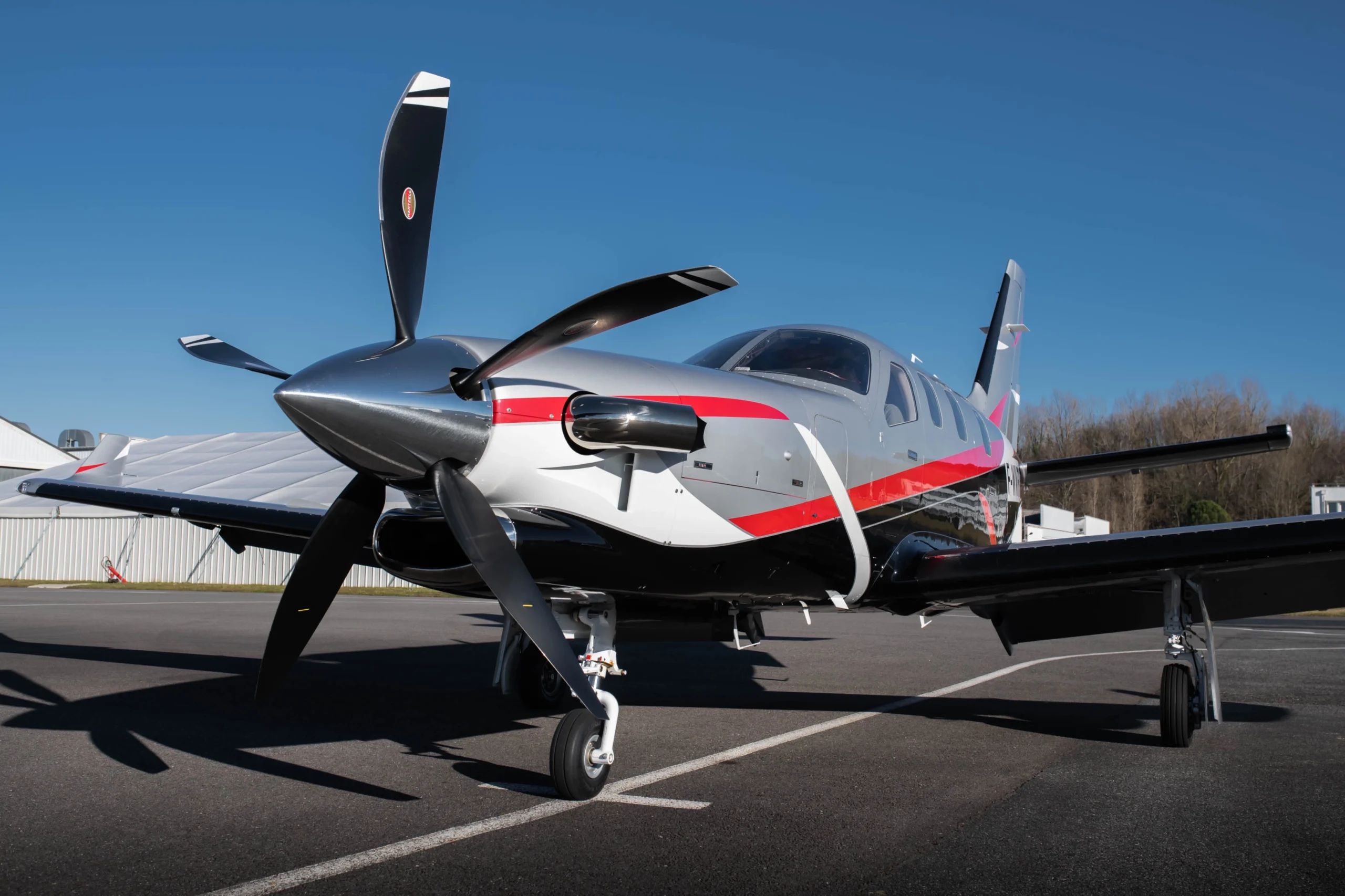
Understanding Hull Coverage
Hull insurance helps cover physical damage to the insured aircraft. Depending on the policy form, coverage may apply while the aircraft is parked, taxiing, or operating in flight.
Hull coverage is commonly written using an agreed aircraft value established when the policy is issued. This value can help determine the amount payable if the aircraft experiences a covered total loss.
- Ground Risk Hull Insurance: Protects the aircraft while it is on the ground under covered circumstances.
- In-Flight Hull Insurance: Extends physical damage protection to covered losses that occur while the aircraft is in flight.
Policy protection at a glance
Common Types of Aviation Insurance Coverage
Explore the individual coverages that may be included in an aircraft insurance program.
Ground Risk Hull
Helps protect the aircraft against covered physical damage while it is on the ground.
In-Flight Hull
Provides physical damage protection for covered losses that occur while the aircraft is in flight.
Public Liability
Addresses covered claims involving bodily injury to third parties or damage to their property.
Passenger Liability
Helps protect against covered liability claims involving passengers aboard the aircraft.
Combined Single Limit
Uses one overall liability limit instead of separate limits for different types of claims.
Medical Payments
Helps pay eligible medical expenses following a covered accident, regardless of legal fault.
Not sure what your policy needs?
Get Help Understanding Your Coverage Options
The right combination of hull, liability, and specialized coverage depends on your aircraft, pilots, operations, and intended use. Aero Insurance can help you compare available options and understand how each part of your policy may apply.
Discuss My Coverage Needs
Financial protection
Understanding Liability Coverage
Hull insurance protects the aircraft, but liability insurance helps protect the aircraft owner or operator from the financial consequences of covered claims involving other people or property.
Depending on the policy and circumstances, liability coverage may respond to legal defense costs, settlements, or judgments arising from an aircraft accident.
- Public Liability Insurance: Addresses covered bodily injury and property damage claims involving third parties.
- Passenger Liability Insurance: Applies to covered liability claims involving passengers carried aboard the aircraft.
How limits are structured
Combined Single Limit Coverage
Some aviation liability policies use separate limits for bodily injury, passenger injury, and property damage. A combined single limit, commonly called CSL, instead provides one overall liability limit that may be applied across covered claims.
This structure can offer greater flexibility when an accident results in several types of damage or injury. However, policy terms may still include passenger sublimits or other restrictions that affect how the total limit can be used.
Learn About CSL Coverage

Immediate medical expenses
Medical Payments Coverage
Medical payments coverage may help pay eligible medical expenses for pilots, crewmembers, or passengers injured in a covered aircraft accident. It generally applies without requiring a determination of legal liability.
Coverage limits are typically lower than liability limits and may vary based on the policy. Medical payments coverage does not replace passenger liability protection, but it can provide a source of assistance for certain immediate medical costs.
Explore Medical PaymentsSpecialized aviation risks
War Risk and Terrorism Coverage
Standard aviation insurance policies may exclude or limit losses associated with war, terrorism, hijacking, confiscation, sabotage, and similar risks. Specialized war risk coverage may be available to address some of these exposures.
The need for this coverage may depend on where the aircraft operates, how it is used, and the contractual requirements attached to a particular flight or mission.
Explore War Risk Coverage

Coordinated protection
How Aviation Coverages Work Together
Each part of an aviation insurance policy serves a different purpose. Following a covered accident, hull insurance may help address damage to the aircraft while liability coverage responds to covered claims involving passengers, third parties, or property.
Medical payments coverage may assist with certain immediate medical expenses, while specialized protection may respond to risks that are excluded from the standard policy. Together, these coverages can create a more complete insurance program for the aircraft and its operations.
Beyond the coverage names
Understanding the Complete Policy
Coverage names provide an overview of the protection available, but they do not explain every condition that may affect a claim. Limits, deductibles, pilot requirements, aircraft use, geographic restrictions, and policy exclusions can all influence how coverage applies.
The underwriting process also determines which insurers may be willing to offer coverage and what requirements, limits, and pricing may be available for a particular aircraft operation.
- Review common limitations in our guide to Aviation Insurance Exclusions .
- Learn how insurers assess risk in our guide to the Aviation Insurance Underwriting Process .

Ready to get started?
Build the Right Aviation Insurance Program
Every aircraft and operation presents a different combination of risks. Aero Insurance helps private owners, businesses, and flight departments compare aviation underwriters through one streamlined submission.
Our team can help you understand available coverage options and build an insurance program aligned with your aircraft, pilots, mission, and intended use.