Bell 222 Insurance
Coverage guidance for private owners, corporate operators, and passenger transport missions
Get coverage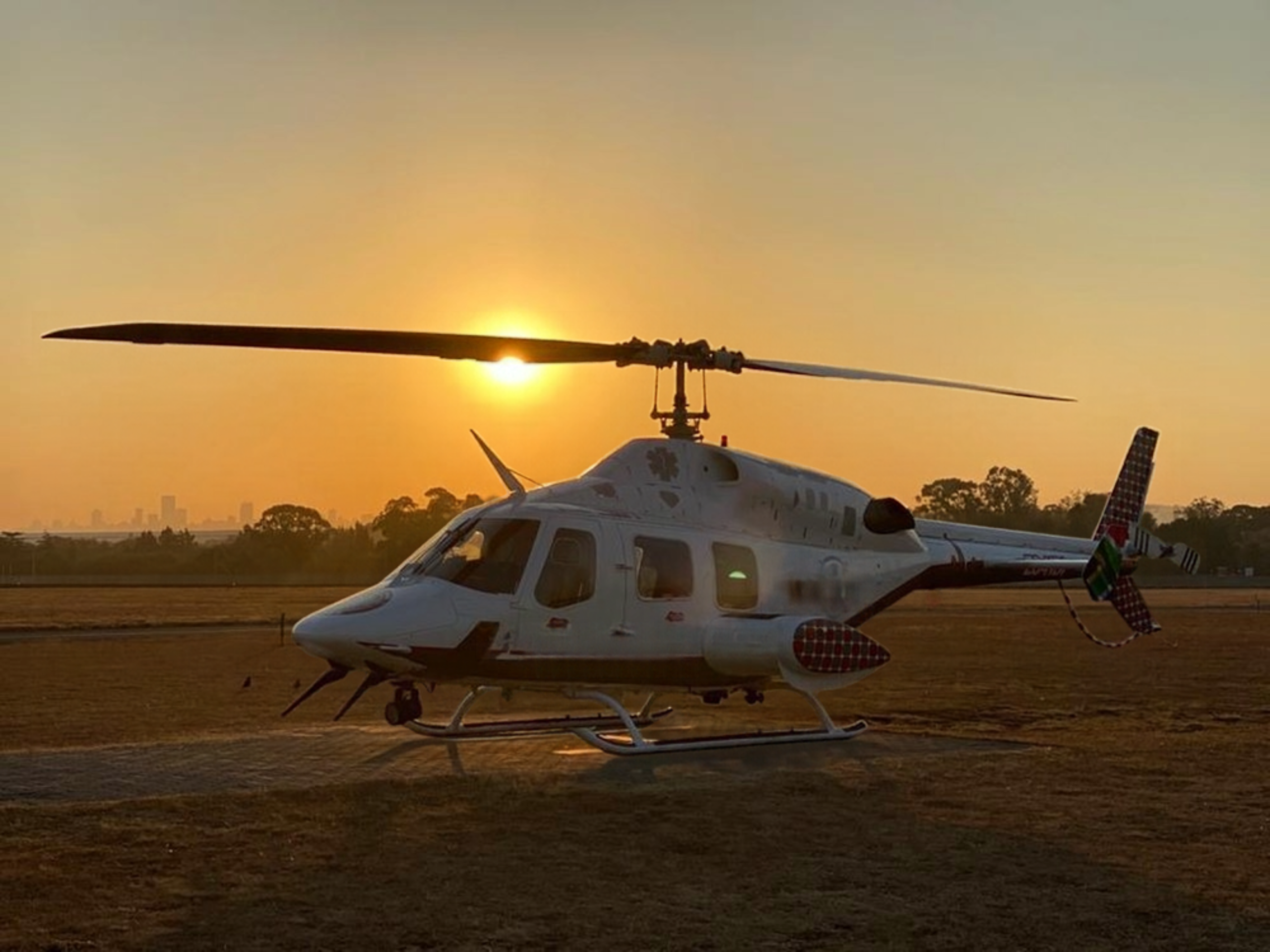
Explore Bell 222 coverage
Premium Coverage for the Bell 222
The Bell 222 is a twin-engine turbine helicopter known for executive transport, passenger missions, and a distinctive design that helped it stand out in the helicopter market. Operators value the Bell 222 for its cabin space, mission flexibility, and the added capability of a twin-engine platform.
Those qualities also shape how aviation insurers evaluate the aircraft. Pilot qualifications, turbine and multi-engine experience, aircraft condition, maintenance history, passenger operations, and the intended use of the helicopter can all affect available terms and pricing.
Get a Bell 222 Insurance QuoteAircraft overview
Key Design and Features
The Bell 222 family includes the original 222, the improved 222B, and the Bell 222UT utility variant. While individual aircraft can vary, the platform is broadly recognized for combining twin-engine capability with a passenger-friendly cabin and a configuration suited to private, corporate, and approved commercial use.
- Twin-Engine Turbine Design: Supports passenger and executive operations with the capabilities of a twin-engine platform.
- Multiple Configurations: Includes retractable-gear and skid-equipped variants within the Bell 222 family.
- Passenger-Oriented Cabin: Built to support executive transport and other missions where comfort and space matter.


Bell 222 Key Advantages
What Makes the Bell 222 Stand Out
Core characteristics that continue to make the Bell 222 appealing for select private, corporate, and passenger-carrying operations.
Twin-Engine Capability
The Bell 222 provides the operating capabilities many owners and organizations seek when selecting a twin-engine helicopter for passenger and business missions.
Mission Flexibility
The aircraft can support private travel, corporate transportation, managed operations, and other approved missions depending on the specific helicopter.
Cabin Comfort
Its executive-style cabin design helped position the Bell 222 as a practical option for passenger-focused operations.
Distinctive Design
The Bell 222 combines its recognizable profile with a passenger-oriented design and twin-engine configuration that distinguish it from lighter utility helicopters.

Passenger experience
Cabin Comfort and Layout
The Bell 222 was designed with passenger comfort in mind, which helped make it well suited to executive and transport missions. Depending on the aircraft’s exact interior, operators may configure the cabin to support business travel, private transportation, or other passenger-focused missions.
- Executive Seating: Cabin layouts can support comfortable private and business transportation.
- Passenger-Oriented Design: The airframe was developed with transport missions in mind rather than solely utility-focused flying.
- Flexible Cabin Use: Interior configuration can affect mission fit, passenger capacity, and aircraft value.
Cockpit systems
Avionics and Technology
Bell 222 aircraft can vary significantly in avionics depending on age, upgrades, and the needs of the operator. As a result, insurers may evaluate both the equipment installed in a specific aircraft and the pilot’s experience with that configuration.
- Panel Configuration: Equipment can differ between individual Bell 222 aircraft based on upgrades and mission requirements.
- Pilot Familiarity: Training and experience with the helicopter’s specific systems can affect underwriting.
- Mission Support: Avionics capabilities can influence the environments and types of missions in which the aircraft operates.


Ownership considerations
Maintenance and Operating Costs
As a legacy twin-engine turbine helicopter, the Bell 222 requires careful attention to maintenance planning, component status, inspections, and aircraft records. Operators should be prepared for the ownership considerations associated with maintaining an established and specialized helicopter platform.
Strong maintenance documentation can also help insurers understand the condition of the aircraft. Clear records are particularly useful when underwriters evaluate hull value, aircraft eligibility, and the overall quality of an insurance submission.
Where it fits in the market
Competitive Landscape
Within the twin-engine helicopter market, the Bell 222 appeals to operators looking for executive styling, passenger capability, and a platform distinct from newer production aircraft. Individual examples can differ considerably in condition, configuration, upgrades, and mission history.
- Recognizable executive profile that helped establish the Bell 222’s place in the passenger helicopter market.
- Twin-engine passenger capability for operators focused on transportation-oriented missions.
- Flexible operating profile supporting private, business, managed, and other approved uses.


Insurance considerations
Aircraft and Pilot Requirements
Bell 222 underwriting typically involves a detailed review of both the helicopter and the pilots who will operate it. Insurers may consider total rotorcraft time, turbine experience, multi-engine helicopter experience, time in make and model, recent flight activity, and recurrent training.
The exact aircraft also matters. A Bell 222, 222B, and 222UT can differ in equipment and configuration, so operators should provide accurate aircraft information, hull value, maintenance records, and intended use when requesting coverage.
Experience in other aircraft within the broader Bell helicopter series can also provide useful context when an underwriter evaluates a pilot transitioning into the Bell 222.
Mission planning
Coverage for How You Fly
Bell 222 insurance should reflect how the helicopter is actually used. Private travel, corporate transportation, managed operations, and approved commercial missions can each create different expectations for liability limits, pilot approvals, and policy endorsements.
Insurers may also consider expected annual utilization, passenger activity, operating territory, typical landing environments, and contractual requirements. Presenting those details clearly helps Aero Insurance approach appropriate markets and structure coverage around the actual operation.

Ready to get started?
Build the Right Bell 222 Insurance Program
Aero Insurance helps Bell 222 owners and operators compare aviation underwriters through one streamlined submission.
Whether you fly privately, for business, or in approved passenger operations, our team understands the insurance considerations associated with the Bell 222.
Start My Bell 222 Quote