← Aircraft by Brand & Model: Leonardo Helicopter Series
Leonardo AW109 Insurance
Coverage guidance for corporate, EMS, public safety, utility, and private operations
Get coverage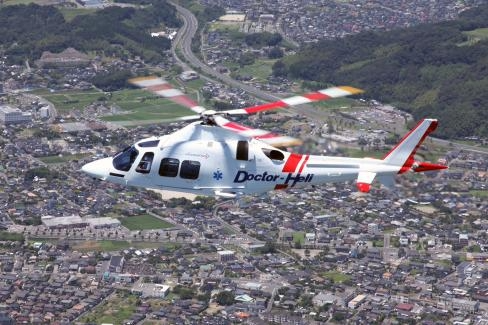
Explore Leonardo AW109 coverage
Coverage for the Leonardo AW109
The Leonardo AW109 is a light twin-engine helicopter family built for speed, flexibility, and multi-mission use. For example, operators use AW109 aircraft for corporate transport, EMS, public safety, utility work, and private flying.
Different AW109 variants offer distinct equipment and operating configurations. In addition, individual aircraft may carry extensive mission equipment or cabin upgrades. Therefore, Leonardo AW109 helicopter insurance should reflect the specific aircraft, pilots, equipment, and mission.
Get a Leonardo AW109 Insurance QuoteAircraft overview
Key Design and Features
The AW109 family combines twin turbine engines with a streamlined airframe and flexible cabin. As a result, the platform can support both passenger transportation and specialized missions.
- Twin Turbine Engines: AW109 variants use twin-engine powerplants that support demanding passenger and commercial operations.
- Multi-Mission Cabin: Operators can configure the cabin for passengers, medical equipment, mission systems, or specialized gear.
- IFR Capability: Properly equipped AW109 aircraft can support instrument operations for missions that require greater weather flexibility.
- Variant Flexibility: In addition, the AW109 family includes configurations developed for passenger transport, public service, utility, and other specialized roles.


Leonardo AW109 key characteristics
What Makes the AW109 Stand Out
Strong performance, twin-engine capability, and flexible configurations help the AW109 family serve many operating roles.
Speed
Performance varies by variant. However, newer AW109 configurations can reach maximum cruise speeds approaching 150 knots.
Range
Meanwhile, range depends on configuration and fuel capacity. Some AW109 variants can exceed 400 nautical miles with auxiliary fuel.
Passenger Capacity
In addition, many AW109 configurations support six or seven passengers depending on crew and interior layout.
Twin-Engine Platform
The twin-engine design supports passenger transport and other missions that demand strong performance and operational flexibility.

Cabin flexibility
Passenger Comfort and Configuration
The AW109 family offers a cabin that operators can adapt to several missions. Therefore, the same platform can support executive passengers, medical teams, or mission equipment.
Corporate aircraft may feature upgraded interiors and passenger-focused layouts. However, public-service aircraft often use the cabin for specialized systems and operational gear.
- Executive Interiors: Corporate configurations can provide passenger-focused seating and upgraded cabin finishes.
- Flexible Seating: Operators can adjust seating arrangements to match passenger, crew, or mission requirements.
- Medical Configurations: EMS operators can configure certain AW109 variants for stretchers and medical attendants.
- Mission Equipment: In addition, public-service operators can install specialized equipment for rescue, surveillance, or utility work.
Cockpit systems
Avionics and Flight Technology
AW109 avionics vary by variant, production year, and equipment package. As a result, cockpit configurations can range from earlier instrumentation to modern integrated glass systems.
Newer AW109 configurations provide advanced navigation and situational-awareness tools. In addition, automatic flight-control systems can help reduce pilot workload during demanding operations.
- Glass Cockpit Options: Newer variants offer integrated digital displays for flight and navigation information.
- Automatic Flight Control: Autopilot systems can support more precise aircraft control and reduce workload.
- Situational Awareness: Modern systems may include terrain, traffic, moving-map, and synthetic-vision capabilities.
- Aircraft-Specific Equipment: Therefore, insurers should account for avionics upgrades when evaluating aircraft value.


Multi-mission capability
Built for Different Operating Roles
The AW109 family supports both passenger and public-service operations. As a result, operators use the platform across corporate, medical, utility, rescue, and law-enforcement environments.
- Corporate Transport: Passenger-focused interiors support executive and private transportation.
- EMS: Medical configurations can support patient transport, medical crews, and specialized equipment.
- Public Safety: In addition, operators can install cameras, searchlights, hoists, and surveillance equipment.
- Utility Operations: Meanwhile, specialized configurations can support field work, external equipment, and commercial missions.
Insurance considerations
How AW109 Operations Affect Coverage
AW109 operators can present very different insurance risks depending on their missions. For example, corporate transport creates different exposures than EMS, rescue, or public safety operations.
Underwriters evaluating rotorcraft may review pilot experience, training, aircraft value, and maintenance history. In addition, they may consider time in make and model, annual utilization, operating environment, and intended use.
For more context, Aero’s guide to how helicopter insurance premiums are determined explains several broader underwriting factors.
The specific AW109 variant can also affect underwriting. Therefore, operators should provide accurate aircraft, engine, avionics, equipment, and mission information when requesting coverage.


Aircraft-specific coverage
Account for Specialized Equipment
AW109 operators may add extensive equipment for passenger or mission-focused operations. Therefore, policies should reflect those additions when establishing aircraft value and coverage.
For example, medical systems, hoists, cameras, searchlights, avionics, and other equipment can affect insured value. In addition, Aero’s guide to specialized equipment insurance for helicopters explains coverage considerations for installed equipment.
Ultimately, coverage should match the specific aircraft, pilots, equipment, and mission. That approach gives underwriters a clearer picture of the actual operation.
Ready to get started?
Build the Right Leonardo AW109 Insurance Program
Aero Insurance helps Leonardo AW109 owners and operators compare aviation underwriters through one streamlined submission.
Whether you carry passengers, transport patients, support public safety, or perform utility work, your coverage should match your operation.
Start My Leonardo AW109 Quote