Bell Helicopter Insurance
Coverage guidance for Bell helicopter owners and operators across private, commercial, and specialized missions
Get coverage
Explore Bell helicopter coverage
Insurance for a Diverse Helicopter Family
Bell helicopters serve a wide range of private, business, public safety, medical, and utility operators. Today, the company’s commercial aircraft range from the light Bell 505 and proven Bell 407 platform to larger twin-engine helicopters built for passenger and specialized missions.
However, that variety makes the aircraft model only one part of the insurance picture. For example, a privately operated Bell used for personal transportation presents a different risk profile from a helicopter performing emergency medical services, firefighting, external-load work, or law enforcement missions.
As a result, Bell helicopter insurance should reflect the aircraft, pilot qualifications, equipment, operating environment, and actual mission.
Get a Bell Helicopter Insurance QuoteBell aircraft
Helicopters Built for Different Missions
Bell’s commercial helicopter family includes aircraft with different capacities, performance profiles, and operating capabilities. Therefore, owners can find Bell platforms suited to everything from personal transportation and training to demanding commercial and public-service operations.
- Private and Corporate: Bell helicopters can support personal transportation, executive travel, charter, and other passenger-focused operations.
- HEMS: Medical configurations support patient transport and emergency response across multiple Bell platforms.
- Public Safety: Law enforcement, search-and-rescue, and firefighting operators can equip Bell aircraft for specialized missions.
- Utility and Energy: Operators use Bell helicopters for infrastructure work, inspection, external loads, crew transport, and other specialized operations.


Bell helicopter operations
One Manufacturer, Many Missions
The way a Bell helicopter operates can influence both its risk profile and the coverage an operator needs.
Personal & Business
Passenger transportation can range from privately flown aircraft to professionally crewed business operations.
Public Safety
Law enforcement, firefighting, and search-and-rescue missions can introduce specialized equipment and operating exposures.
Air Medical
HEMS operations add medical equipment, patient transport, crew considerations, and demanding response environments.
Utility
External loads, infrastructure work, remote landing areas, and specialized equipment can significantly change an operation’s risk profile.

Pilot experience and training
Why Pilot Qualifications Matter
Underwriters look closely at the pilots who will fly a Bell helicopter. Although requirements vary by aircraft and operation, insurers may review total rotorcraft time, turbine experience, time in make and model, ratings, recent flight activity, and recurrent training.
Moving into a new Bell model can also change the underwriting conversation. For instance, an experienced helicopter pilot with limited time in a particular model may face different training requirements than a pilot with substantial recent experience in that aircraft.
Additionally, the aircraft itself can affect training expectations. Bell’s current platforms incorporate increasingly sophisticated avionics and flight-management technology, so insurers may consider experience with those systems alongside traditional flight-time measures.
Insurance considerations
What Underwriters Consider for Bell Helicopters
Insurance pricing and eligibility depend on more than the name on the aircraft. Instead, underwriters evaluate the combination of aircraft, pilots, mission, equipment, and operating environment.
- Aircraft: Model, year, hull value, engine configuration, avionics, modifications, and installed equipment all contribute to the risk profile.
- Pilots: Total rotorcraft time, time in type, ratings, turbine experience, recency, and training can affect available terms.
- Operations: Personal transportation, charter, HEMS, utility, public safety, training, and other uses create different exposures.
- Operating Environment: Terrain, remote landing zones, confined areas, rooftop helipads, and other operating conditions may influence underwriting.
- Maintenance: Inspection history, component tracking, overhaul cycles, and maintenance practices help underwriters evaluate the aircraft.
- Loss History: Previous claims or incidents involving the aircraft, pilots, or operation may also affect coverage and pricing.


Specialized operations
Mission Equipment Can Change Coverage Needs
Many Bell helicopters perform work that requires equipment beyond the standard aircraft configuration. For example, public safety aircraft may carry cameras or searchlights, while utility helicopters may use cargo hooks or other external-load equipment.
Similarly, HEMS configurations can include medical interiors and patient-handling equipment. Other operations may add floats, hoists, specialized communications systems, or additional mission equipment.
Because this equipment can represent substantial value and create additional exposures, operators should account for it when establishing aircraft values and structuring coverage. Specialized equipment insurance for helicopters can help address equipment that requires protection beyond the basic aircraft configuration.
Bell helicopter models
Explore Popular Bell Helicopter Models
Bell aircraft span light single-engine helicopters through larger twin-engine platforms, and the models operators fly today include both current-production aircraft and established legacy platforms. Consequently, insurance considerations can vary substantially depending on the Bell model, its configuration, and the work it performs.
Bell 222
A twin-engine helicopter developed for executive transport and other passenger-focused operations, with configurations also used for medical and specialized missions.
See MoreBell 206B-3
Part of the long-running JetRanger family, the 206B-3 is a light single-engine helicopter used for private transportation, training, patrol, tourism, and commercial operations.
See MoreBell 505 Jet Ranger X
A modern light single-engine helicopter with Garmin G1000H NXi avionics and seating for one pilot and up to four passengers. Operators use the 505 for private, training, tourism, utility, and other missions.
See MoreBell 407GXi
A turbine single that combines passenger capacity with utility capability. The 407GXi serves corporate transportation, HEMS, public safety, utility, and other specialized operations.
See MoreBell 412EP
A twin-engine, medium helicopter designed for greater passenger and mission capacity. Operators have used the 412 family for transport, public safety, search and rescue, firefighting, offshore, and utility operations.
See More

Common coverage
Building a Bell Helicopter Insurance Program
The exact policy depends on the aircraft and operation. However, Bell helicopter owners commonly need to consider several core and optional areas of protection.
- Aircraft Hull: Coverage can protect the insured value of the helicopter against covered physical damage.
- Liability: Liability insurance can address covered claims involving passengers, people outside the aircraft, and property damage.
- Equipment: Avionics and mission-specific equipment may require additional consideration when determining insured values.
- Commercial Operations: Charter, HEMS, utility, public safety, training, and other specialized uses may require endorsements or policy structures appropriate to the operation.
- Lender or Lessor Requirements: Financed or leased helicopters may also require specific policy provisions or certificates.
Preparing for a quote
Information to Have Ready
Providing complete information from the beginning can help underwriters evaluate a Bell helicopter operation more efficiently. Before requesting quotes, gather details about both the aircraft and the people who will fly it.
- Pilot certificates, ratings, total rotorcraft time, recent time, and Bell make-and-model experience.
- Aircraft year, model, serial number, hull value, avionics, modifications, and installed mission equipment.
- Expected annual flight hours and a clear description of personal, business, commercial, or specialized operations.
- Training and recurrent-training records for each pilot.
- Maintenance information and aircraft storage or base-of-operation details.
- Prior insurance, claims, and incident history.
For specialized operations, underwriters may also request additional information about external loads, medical services, public safety missions, commercial contracts, or other operational exposures.

Explore Bell models
Bell 429 Insurance
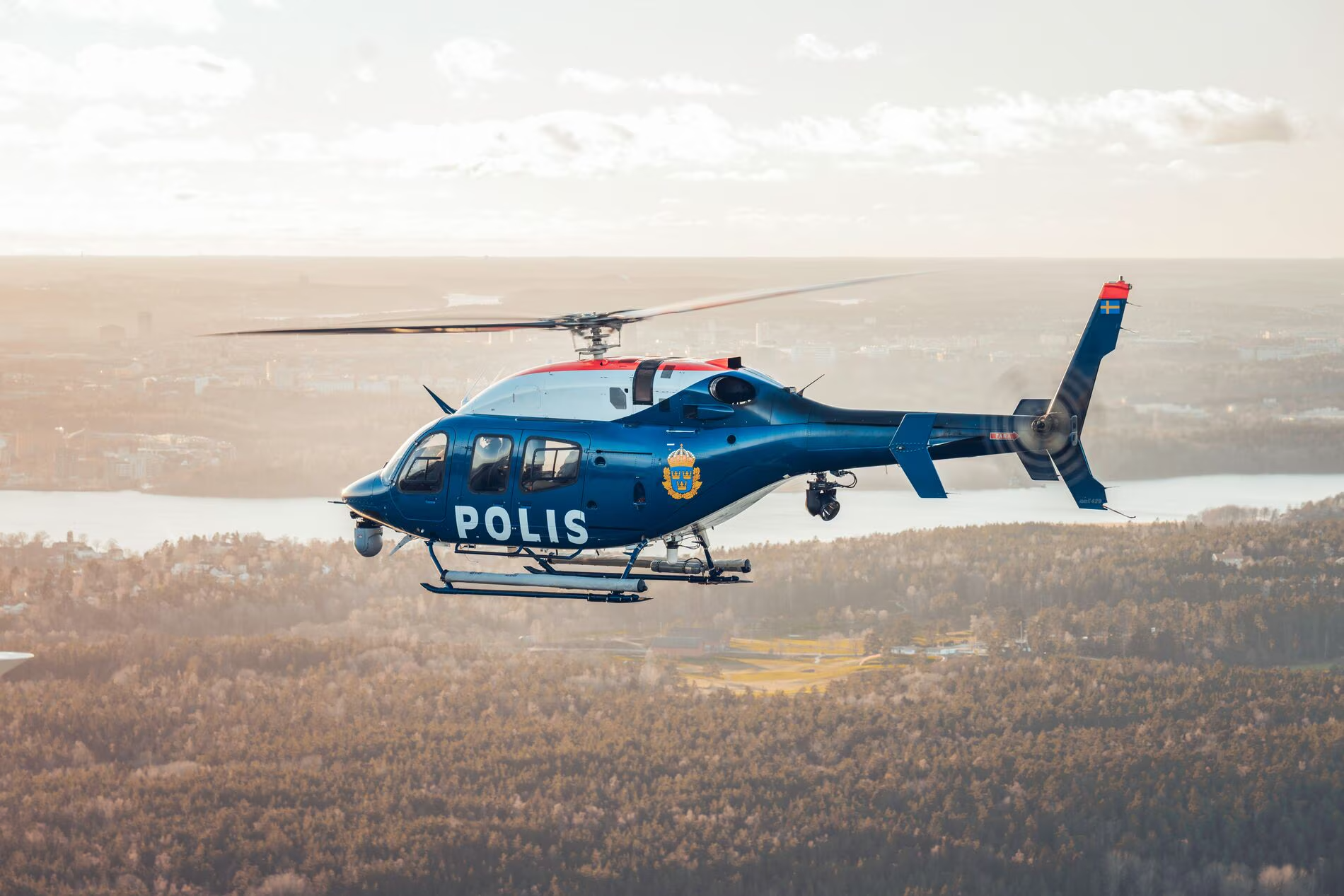
The Bell 429 combines twin-engine capability, single-pilot IFR capability, a configurable cabin, and support for a broad range of missions. Those characteristics make it a platform for corporate transportation as well as HEMS, public safety, energy, and utility operations.
Because those missions can create substantially different insurance exposures, our Bell 429 guide takes a closer look at the aircraft, its capabilities, and the factors that can affect coverage.
Explore Bell 429 InsuranceReady to get started?
Find Coverage for Your Bell Helicopter
Aero Insurance helps Bell owners and operators compare aviation underwriters through one streamlined submission.
Whether you fly for private transportation, business, HEMS, public safety, utility work, or another specialized mission, the insurance program should reflect the aircraft, pilots, equipment, and operation behind it.
Start My Bell Helicopter Quote